| Chinese中文 |
|
|
A Healing Journey Between the Mountains and Sea
|
|
[Cover Story] In today’s fast-paced world of constant information and relentless demands, people are increasingly shifting their focus from material pursuits toward inner balance and well-being. Travel, too, is evolving—it is no longer just about “seeing the sights,” but about reconnecting with oneself.
Changbin and Fengbin—collectively known as BINBIN—on Taiwan’s east coast offer a unique setting where nature meets reflection. Nestled between mountains and the ocean, this region transforms travel into a meaningful wellness experience—a gentle “prescription” from the mountains and sea.
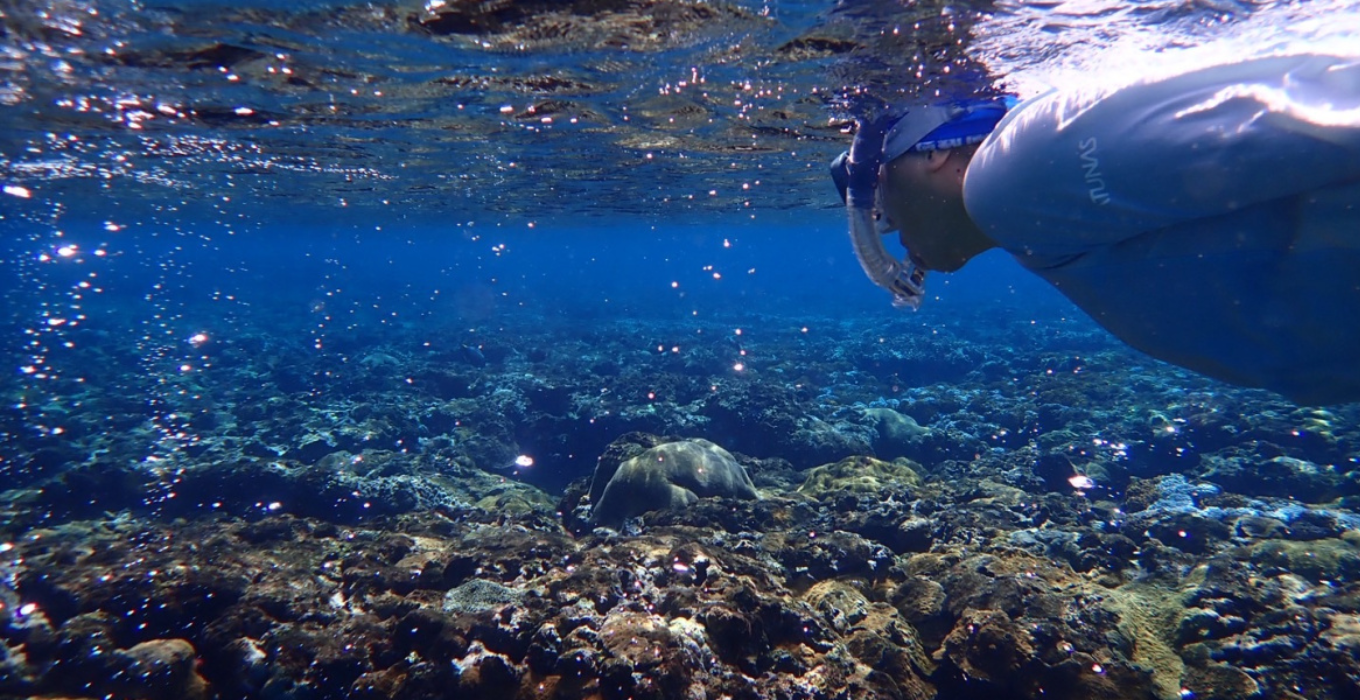
At New Waave Island, travelers immerse themselves in the deep blue, where skin diving becomes a practice of stillness and mindfulness. At Gao Shan Forest Tribal Ranch, guests are guided by Bunun ancestral wisdom to listen more closely to their inner voice. Meanwhile, the 900-meter zipline at Taiwan Juhu Farmstay invites visitors to move beyond fear, reconnect with their bodies, and rediscover a sense of freedom carried by the wind.
These experiences are more than activities—they are guided encounters with nature. Each one reawakens our innate connection to the natural world, planting seeds of awareness that continue to grow long after the journey ends. The calm and clarity found here become lasting sources of strength, carried back into everyday life. Read more.
|
|
|
From Kitchen to Market: The Chenggong Commercial & Fisheries High School Mock Market
|
|
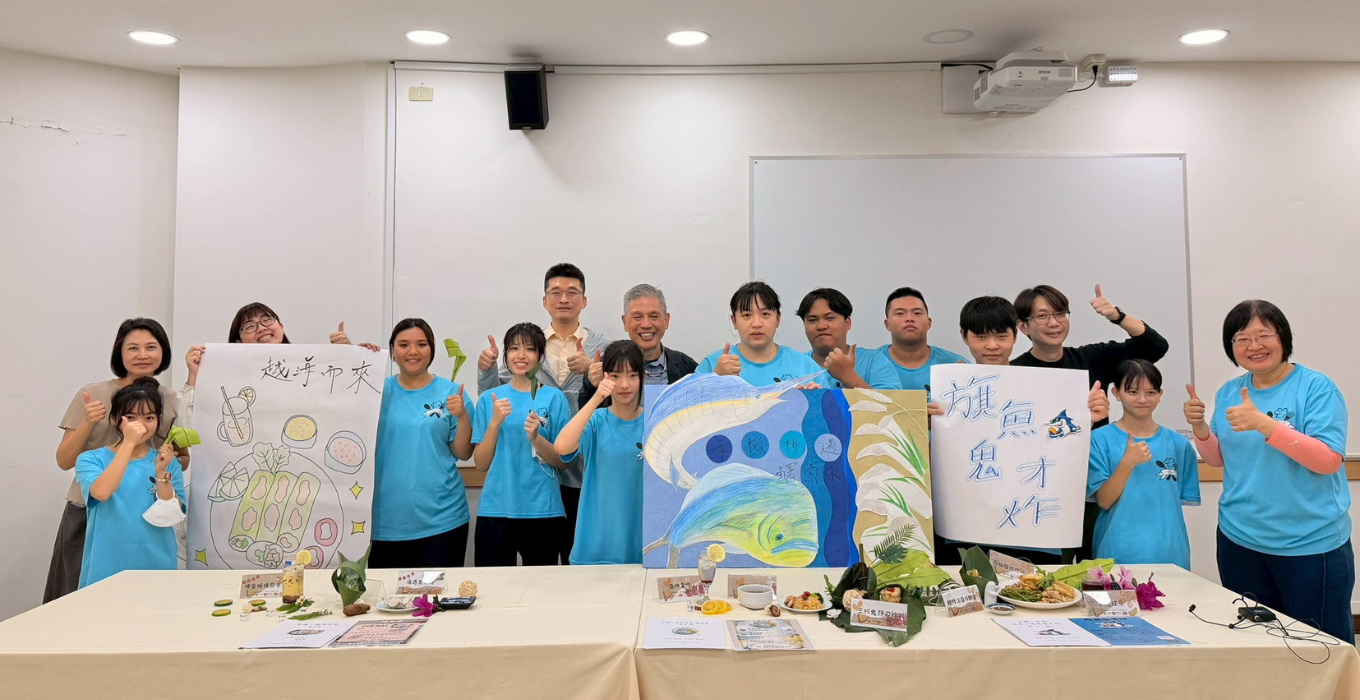
[The Alliance Cultural Foundation] When is a dish truly completechnical te? Is it the moment it’s plated in the kitchen, or when someone chooses it with their own wallet? The Japanese cuisine course at National Cheng Kung Commercial & Aquaculture Senior Vocational High School held a "Mock Market" competition, challenging students to move beyond the classroom and consider how to transform their culinary creations into products that resonate with customers.
Students were divided into groups to tackle themes like fried foods, rice dishes, and international cuisine. From product positioning and pricing to packaging design and customer interaction, every element had to mirror real market conditions. Through this experience, students came to understand that while culinary skills are essential, once a dish leaves the kitchen, success is no longer defined by craftsmanship alone—it must also meet the expectations of customers and withstand real market feedback.
The event invited faculty members to participate in the evaluation, with scoring based on taste, sustainability, financial viability, packaging, creativity, and overall performance. The prizes incorporated Taiwanese culture and design, reminding students that for a product to truly resonate, it must not only be practical but also convey culture and tell a story.
|
|
|
May Tomorrow Be Better Than Today: Anniversary Notes from the PCAC
|
|
[Paul Chiang Arts & Cultural Foundation] While the public often views museums as temples of arts, over the past year, the Paul Chiang Art Center (PCAC) has blurred the boundaries between art and everyday life. It has evolved from the artist’s private creative sanctuary into an open space for the public, one that shares the beauty of nature and art while creating countless meaningful encounters.
Throughout nearly 300 scheduled tours, some visitors have laid down long-standing burdens of caregiving before a painting, comforted by the gentle embrace of color; others have rediscovered inner stability within the quiet meditation spaces. Beyond the exhibitions, the PCAC’s architecture, flora, and hospitality have all become stories for visitors to cherish.
The day after its first anniversary, the PCAC surpassed 100,000 visitors, marking a shared resonance and collective pursuit of beauty. The PCAC remains an ever-evolving organism: the first gallery, restored as a studio, still smells of oil paint; the ever-changing exhibition walls bring the visitors closer to the moment of creation; and the landscape shifts with the seasons, infused with the breath of life.
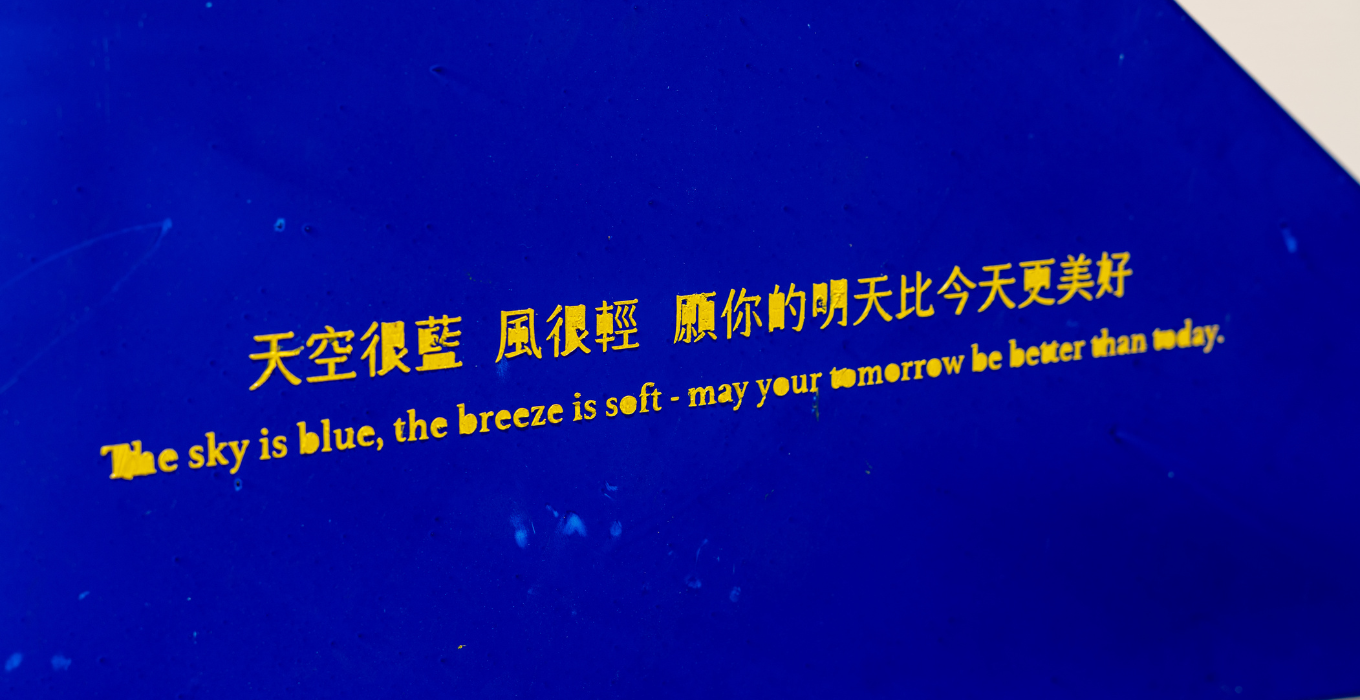
At the conclusion of the Anniversary Salon Concert, Mr. Paul Chiang expressed his hope: "I hope everyone who comes here leaves with a sense of positive energy and happiness." Thank you for walking alongside art this past year. May your tomorrow be even better than today. Welcome to subscribe to the Paul Chiang Art Center Bimonthly Newsletter.
|
|
|
|
One Ocean, One Family: A Classroom at Sea for Palauan Sailors
|
|
[Junyi School Innovation] Our ancestors crossed the sea to reach Taiwan, yet those of us growing up here today often feel estranged from the ocean. "People today see sailing as romantic; in the past, it was simply for survival." When island resources were limited, people followed the sea; seafaring carries the wisdom of ancestors in responding to the natural environment.
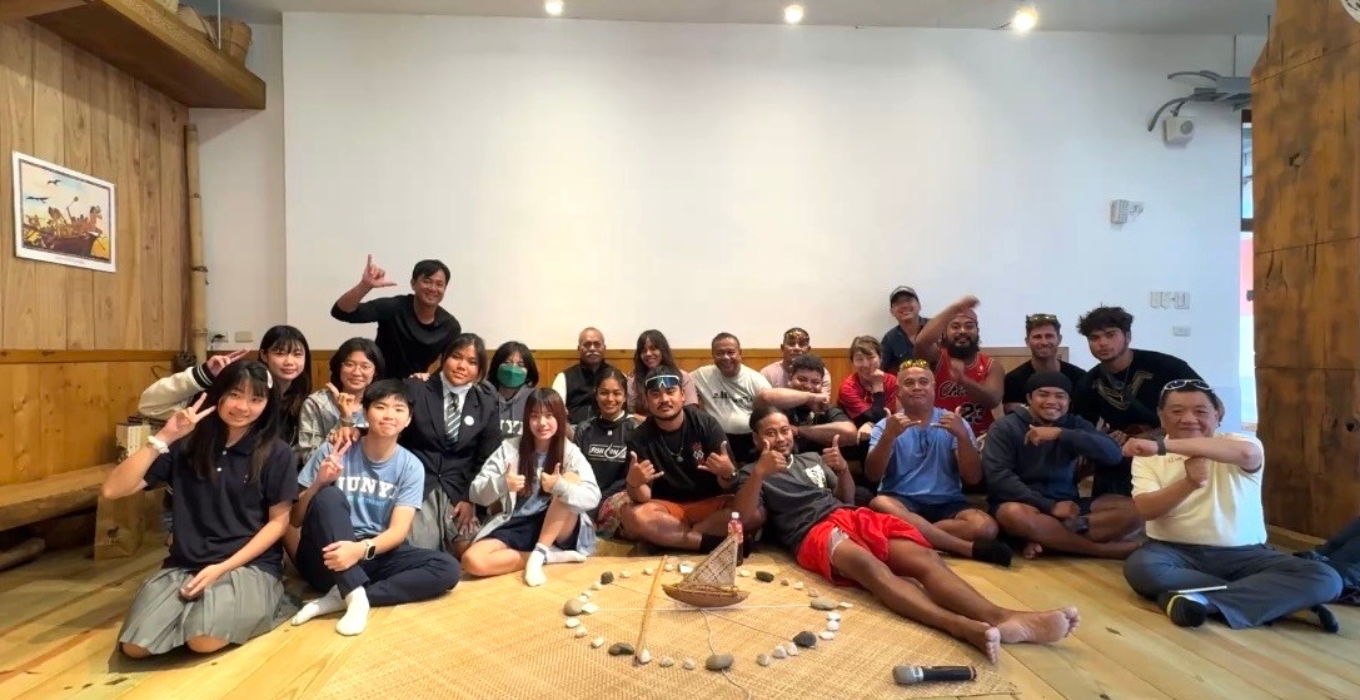
Recently, Grade 11 students from Junyi participated in the "Classroom at Sea: Alingano Maisu Voyaging Canoe Education Camp." The vessel Alingano Maisu from Palau visited Taiwan for the second time as part of a sailing plan spanning the Western Pacific—including Taiwan, Okinawa, Guam, and Saipan. The journey relies entirely on traditional navigation—observing stars and ocean currents—rather than modern instruments, fostering cultural exchange and a deeper appreciation of maritime traditions.
Although weather conditions prevented the canoe docking at Fugang Harbor, students still embraced the "One Ocean, One Family" perspective through videos, models, and star charts. Perhaps the most important lesson of this course is a renewed awareness of our relationship with the ocean—only through understanding can we cherish it and ensure the continuity of our cultural heritage.
|
|
|
|
Architecture Lessons for Third Graders: Restoring the Taluhan Food Education Space
|
|
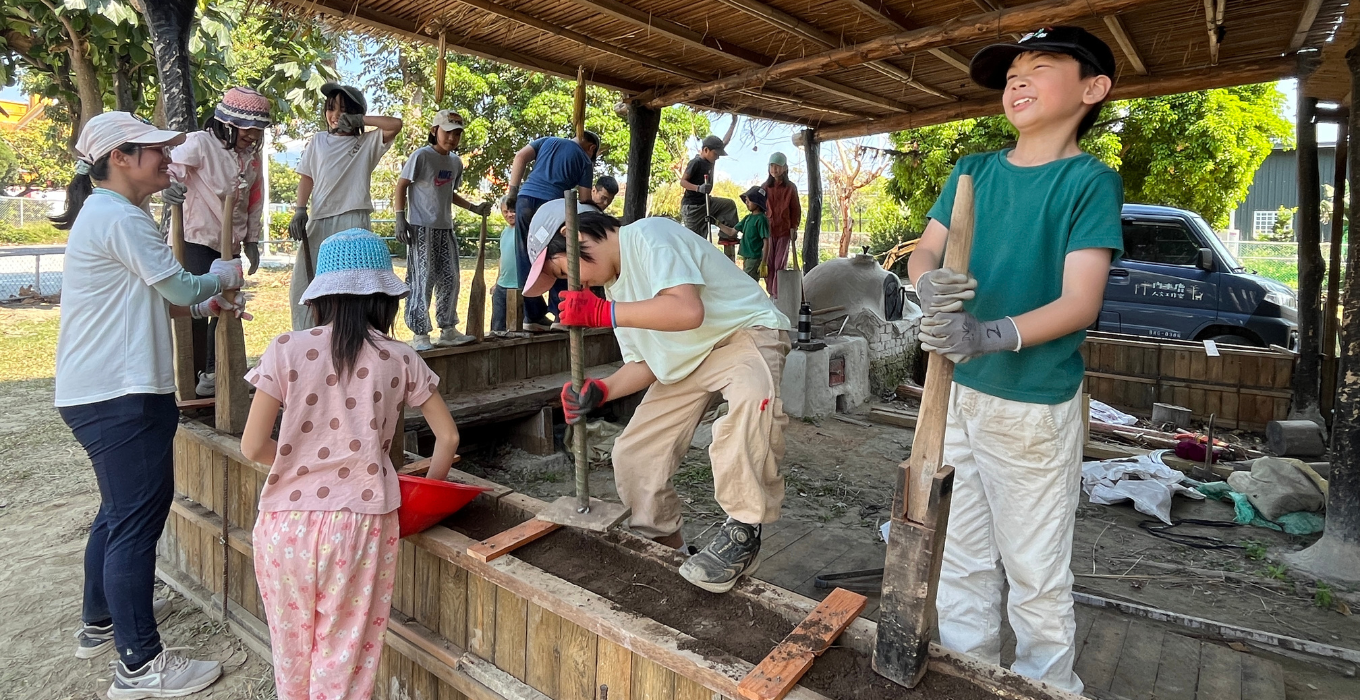
[Junyi School Innovation] In the Waldorf Grade 3 curriculum, "Building Tasks" help children develop a connection with the land. The stoves, earthen kilns, and thatched huts of the "Taluhan Food Education Space" on campus have been built by elementary students over the past three years. After Typhoon Mitag caused significant damage last year, Bunun master teacher Dahu was invited to lead the students in the "rebuilding" efforts this semester.
"So this is how a wall is built, rammed layer by layer!" The children used mud, sand, plant fibers, stones, and lime to construct the walls. Some moved soil into molds, some used mallets to compact it firmly, while others stepped into the mud, moving forward together to the rhythm of chants and cheers.
After three weeks, the roof repairs and mud-wall plastering have been completed. With their own hands, the children have continued the efforts of their seniors. Through years of collective labor, Taluhan links together a shared memory and continues to accompany the school community.
|
|
|
|
|
|
|
|
|
|
|
|
|
|
|
|
|
|
