| Chinese中文 |
|
|
Music as Courage: The 2026 Taiwan Connection Festival — "At the Pinnacle"
|
|
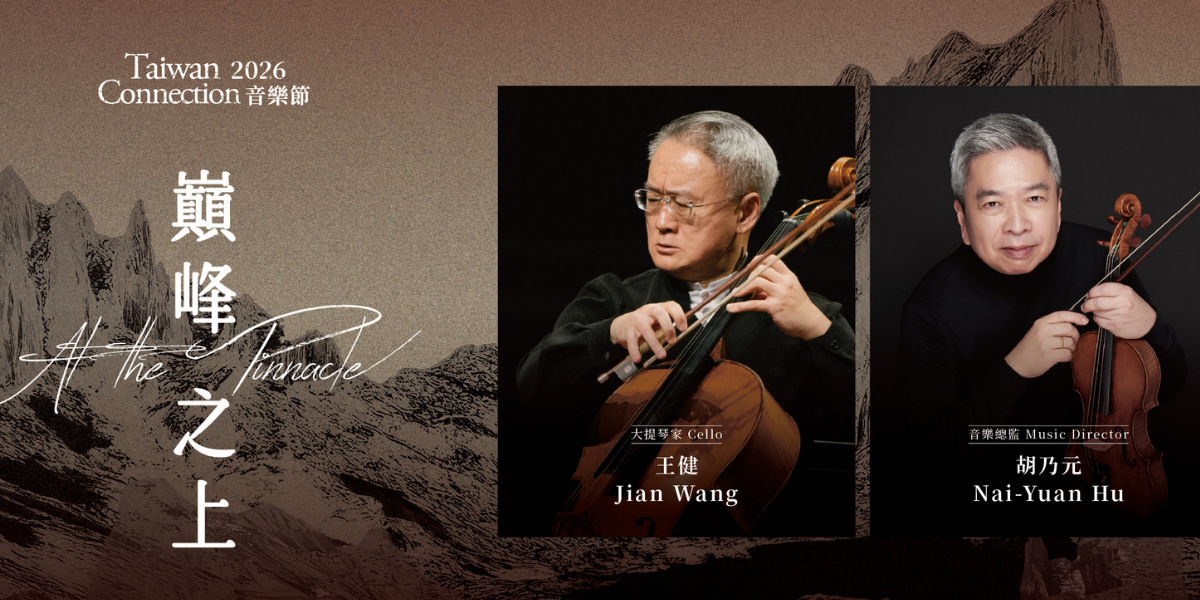
[Cover Story] This August, the TC Festival returns in grand fashion. Music Director Nai-Yuan Hu has chosen Brahms’s Symphony No. 4, a work TC previously performed in 2012. The choice reflects not only his hope for a TC that continues to surpass itself, but also his response to the uncertainties of today’s world.
The chamber orchestra program also features Dvořák’s Cello Concerto in B Minor, with internationally acclaimed cellist Jian Wang, a close friend of Hu for more than forty years.
The chamber music concert program is devoted entirely to Schubert. The first half features Grammy Award-winning mezzo-soprano Sasha Cooke performing a selection of art songs — a rare occasion for TC to collaborate with this renowned vocalist. In the second half, Hu will be joined by a wonderful cast of international guest string and wind players in Schubert’s Octet in F Major.
"At the Pinnacle" brings together nine principal players from leading international orchestras. From the heartfelt lyricism of Dvořák’s cello masterpiece to the profound depth of Brahms’s late symphonic writing, this extraordinary program invites you to experience a musical celebration. Read more.
|
|
|
Music as Memory
TC Quartet Honors Victims of Political Persecution
|
|
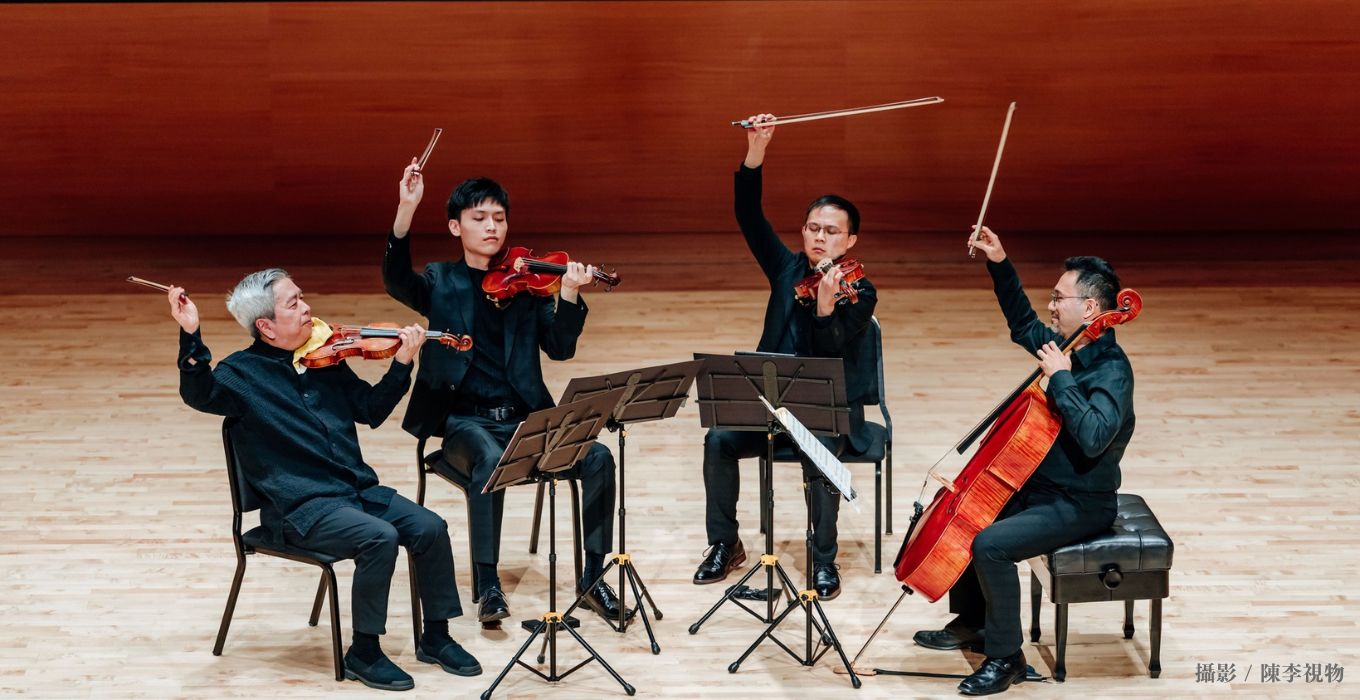
[The Alliance Cultural Foundation] Invited by the National Human Rights Museum, the Taiwan Connection (TC) Quartet presented Echoes of Will: A Night of Remembrance on May 19, Taiwan's White Terror Memorial Day.
Led by Music Director Nai-Yuan Hu, together with violinist Hsuan-Hao Hsu, violist Shih-Hsien Tsai, and cellist Ping-Kun Kao (Victor Coo), the ensemble performed three string quartets that reflected on resilience, oppression, and remembrance. The program connected Beethoven's determination in adversity, Schubert's sense of constraint under surveillance, and Shostakovich's lament for victims of fascism.
Speaking about Shostakovich's autobiographical String Quartet No. 8, Hu noted that the composer transformed emotions he could not openly express under the Soviet regime into music of profound weight and sorrow.
“Whenever I perform this work, I think of my father, Dr. Hsin-Lin Hu, and of the many victims of the White Terror period,” he said.
“Through music, I hope to honor not only historical events, but also those who sacrificed for freedom, democracy, and human dignity. Memory is never easy, but only by remembering can we understand why what we have today is worth cherishing.”
May music continue to inspire reflection and help build a society that listens with empathy.
|
|
|
Ambassadors from 12 EU
Member States Visit Taitung
|
|
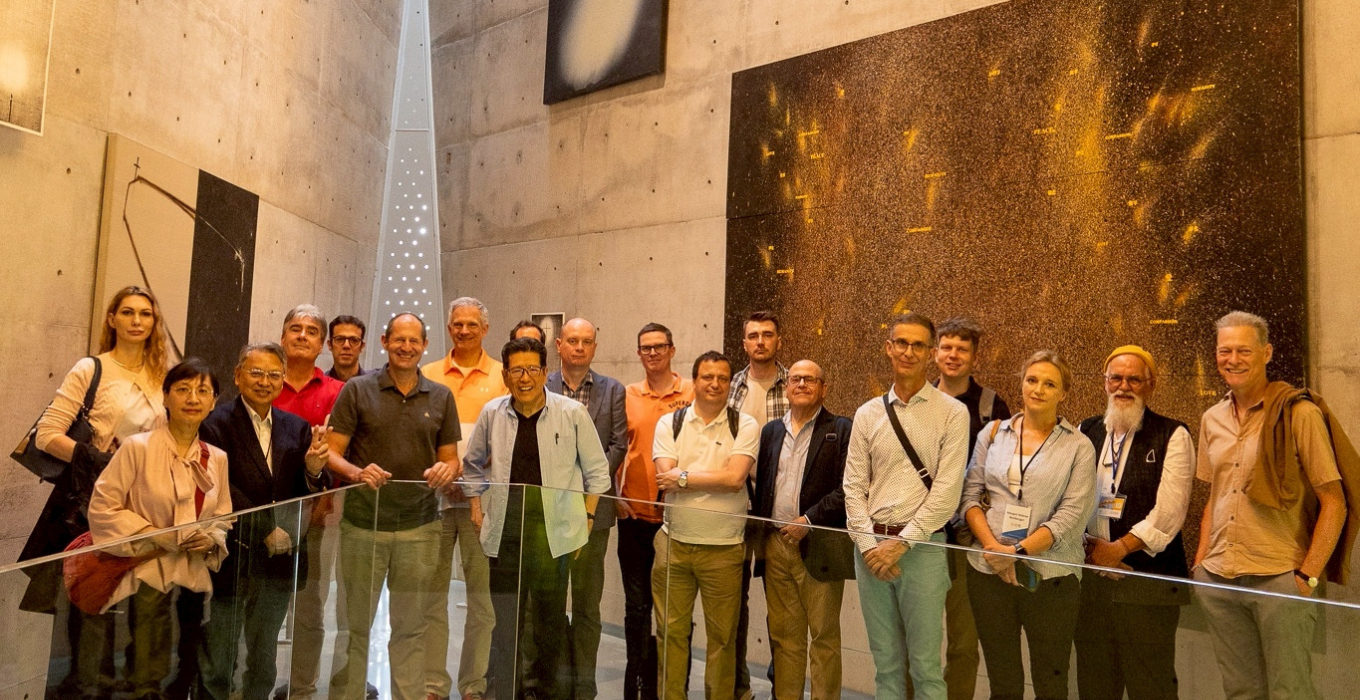
[The Alliance Cultural Foundation] After months of planning, The Alliance Cultural Foundation and the Paul Chiang Arts and Cultural Foundation jointly welcomed Head of the European Economic and Trade Office Lutz Güllner and representatives from 12 EU member states to Taitung.
The delegation relocated its monthly meeting and annual retreat to eastern Taiwan, creating an opportunity for meaningful cross-cultural exchange.
For many ambassadors, it was their first visit to Taitung. At the National Museum of Prehistory, they explored Taiwan's deep Austronesian heritage and historical connections. They also learned about Taitung County's long-term commitment to a “slow economy” and sustainable development that seeks harmony between people and nature.
The delegation was equally impressed by the achievements of Junyi School of Innovation in nurturing local talent and expanding educational possibilities.
Guests also experienced Taitung's vibrant cultural landscape. Highlights included the Paul Chiang Art Center, where natural light, contemporary architecture, and a surprise piano performance created a memorable experience; Jun T. Lai Studio; Chiang Hsun Gallery; and the Chishang Barn Art Museum.
The journey connected community revitalization, education, and contemporary culture, revealing a Taitung that remains deeply rooted in local life while possessing a remarkable international presence. Welcome to subscribe to the Paul Chiang Art Center Bimonthly Newsletter.
|
|
|
|
Building Resilience Through Nature
|
|
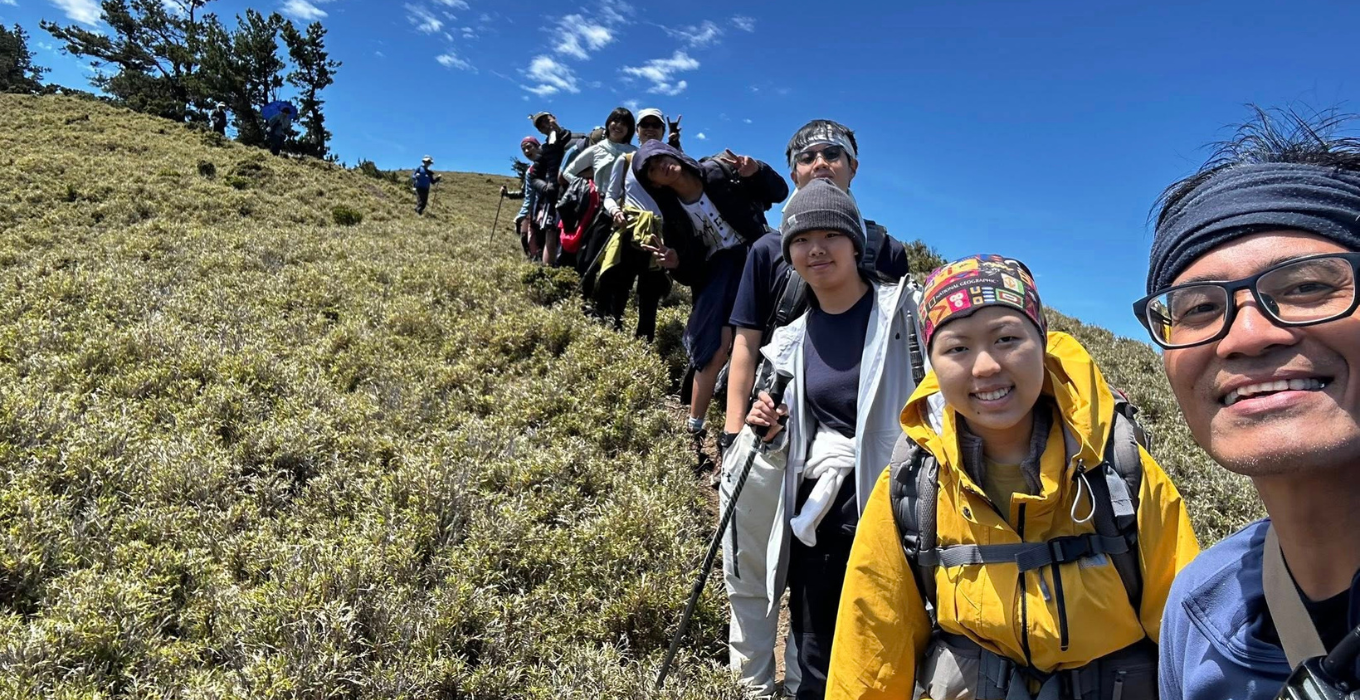
[Junyi School Innovation] “In the end, reaching Jiaming Lake was not what impressed me most. What I witnessed was how the mountain gradually teaches young people to become more resilient and more compassionate.”
In May, teacher Katu led Grade 11 students on a three-day, two-night expedition from Jiemaosi to Jiaming Lake as part of Junyi's outdoor experiential education program. Before setting out, students participated in a Bunun ceremony expressing respect for the mountain. The route follows an ancestral trail once used for migration and hunting, carrying generations of cultural memory.
Heavy rain on the first day soaked equipment and forced changes to the itinerary. Students learned to adapt to uncertainty and regulate their emotions. On the second day, challenging elevation gains and altitude sickness tested their endurance, while classmates supported one another by sharing gear and encouragement.
“People may not remember who arrived first,” one participant reflected, “but they will remember who offered help when things became difficult.”
Through wind, rain, fatigue, and teamwork, students experienced the land with their bodies and developed a deeper sense of respect for both nature and one another.
|
|
|
|
The Maypole and Growing Up
A Summer Rite of Passage for 5th Grade Students
|
|
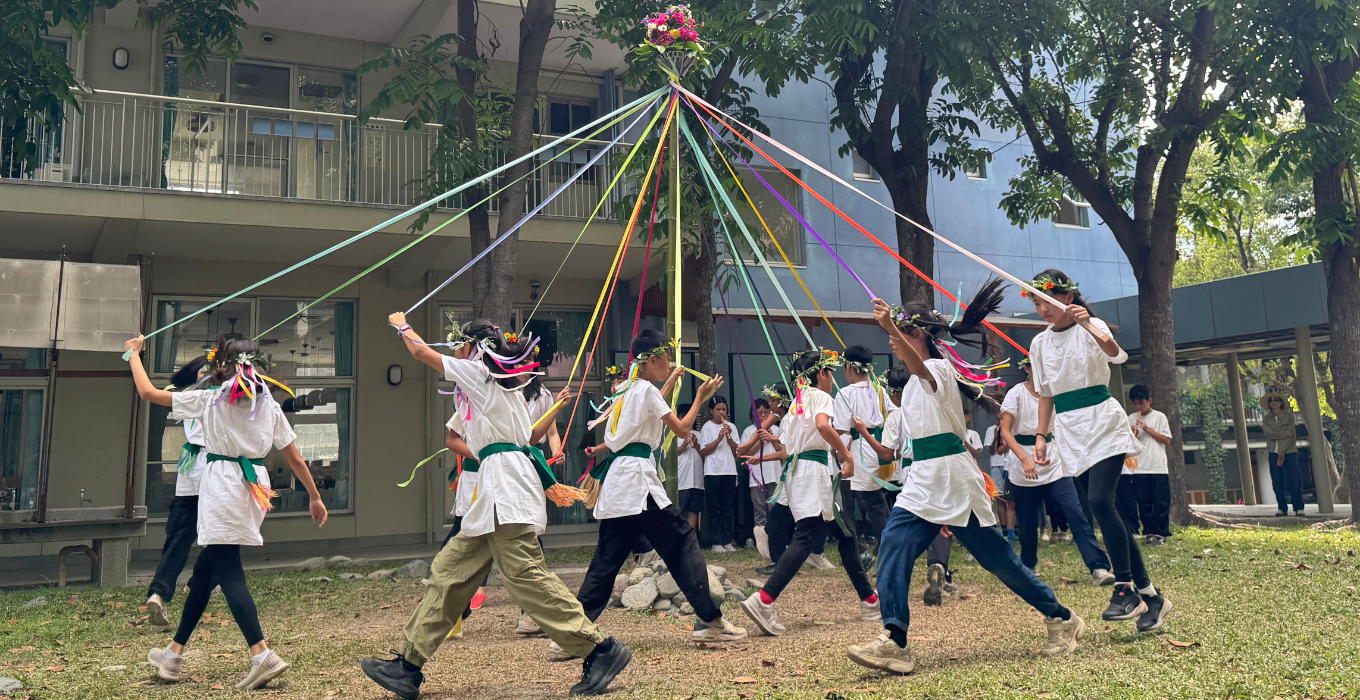
[Junyi School Innovation] One of the highlights of this year's Summer Celebration was the 5th Grade performance combining Greek mythology theatre with the traditional Maypole dance.
The production challenged students to integrate dramatic storytelling and festive dance into a single outdoor performance, requiring courage, coordination, and teamwork.
Holding colorful ribbons and weaving around the Maypole, students symbolically welcomed summer and celebrated growth. Performing in an open-air circular stage without microphones, they delivered poetic lines, complex choreography, and expressive storytelling to audiences on all sides.
Most remarkable was their composure when unexpected challenges arose. When ribbons became tangled, students calmly adjusted their movements. When flower crowns fell, classmates quietly helped one another recover.
The performance showcased far more than three weeks of intensive rehearsal. It demonstrated trust, courage, cooperation, and perseverance. Every small success became a meaningful step in the students' journey of growth. View more photos.
|
|
|
|
|
|
|
|
|
|
|
|
     
|
|
|
|
|
|
|
|
|
|