The Alliance Cultural Foundation:
Opening New Possibilities for Tourism – Chenggong Township Learning Journey
|
|
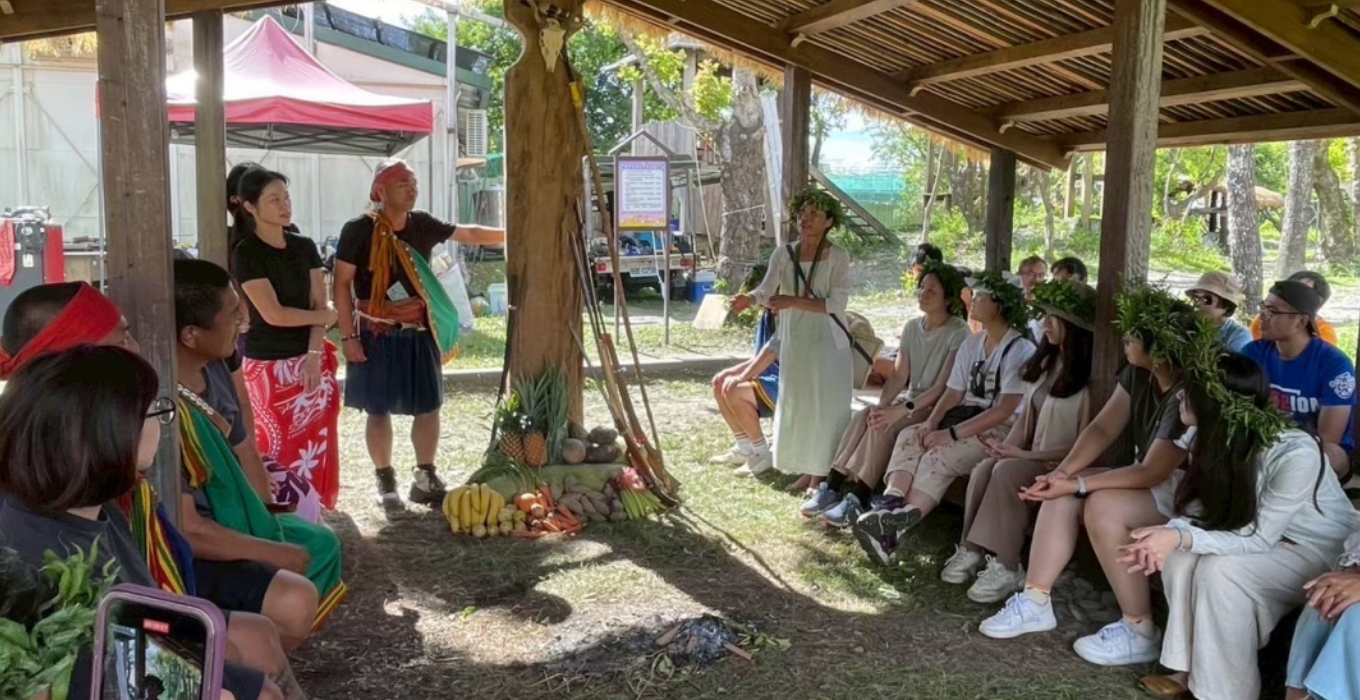
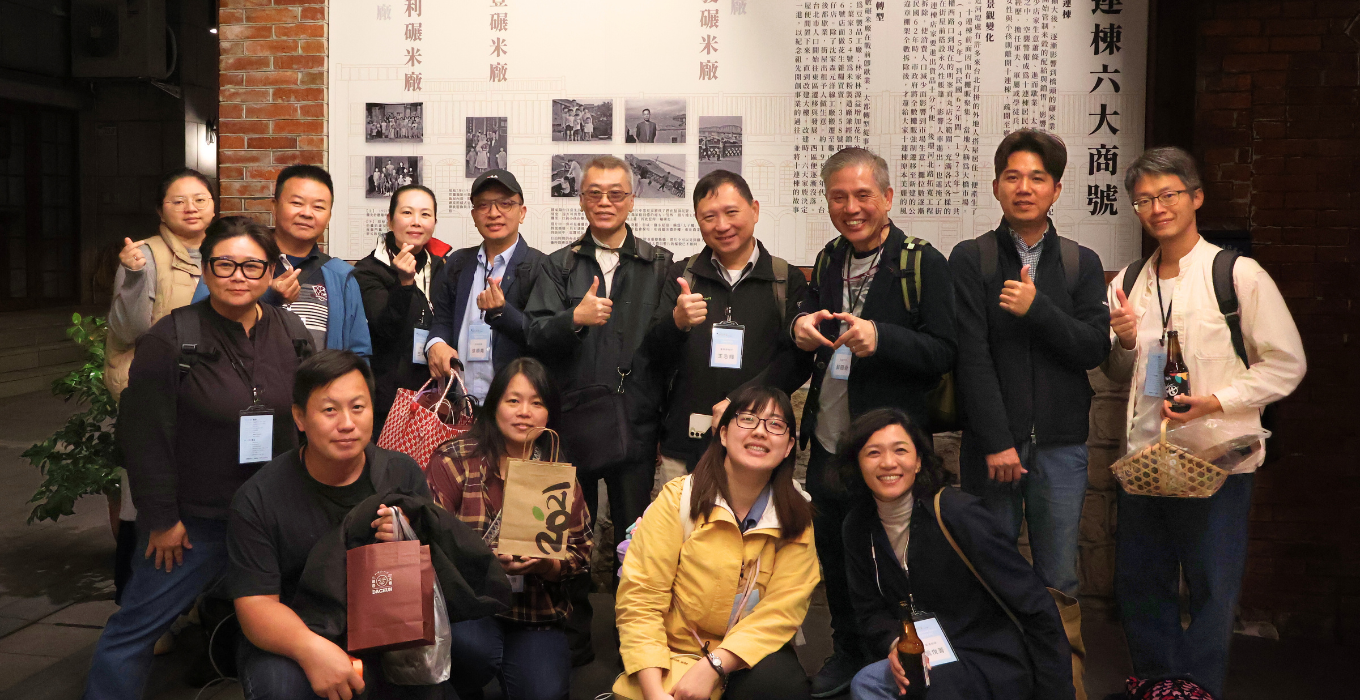
On November 27 and 28, ACF and business owners from Chenggong Township, Taitung, traveled north for an observational learning trip. The group was led by Honorary Board Member Patrick Su, with Taitung County Deputy Magistrate Wang Chih-Hui sharing insights throughout the visit. Participating businesses included Shun Da Newport Restaurant, Meet Marlin, and TiaoGang Café, along with local guide Teacher Sung and Teacher Chien from the National Cheng Kung Commercial & Aquaculture Senior Vocational High School coming together for shared learning and exchange.
The itinerary brought the group into key sites such as Taipei’s Addiction Aquatic Development, the Dadaocheng–Dihua Street commercial district, Keelung’s Kanziding Fish Market, and the Ren’ai Market food hall. At Addiction Aquatic Development, the design of its supply chain, pricing logic, and service flow helped participants realize that visibility, understanding, and trust are the true core strengths of any brand. The “Walk in Taiwan” tour team in Dadaocheng demonstrated how history can be told in captivating ways that create emotional connections between travelers and place. Late at night, under the guidance of veteran auctioneer Wang Chi-Shun, the group entered Kanziding to observe the
market’s transformation from a wholesale hub into a branded cultural landmark. Ren’ai Market, meanwhile, revealed how a marketplace can evolve into a gathering space for both culture and cuisine.
This journey allowed us to see areas needing improvement while also recognizing new possibilities. ACF will continue accompanying partners in Chenggong Township as they work step by step to refine and share the harbor, the dining table, the stories, and the culture so that the vitality of this small town can be understood by more people.
More photos
|
|
|
Paul Chiang Arts & Cultural Foundation:
November’s Heartwarming Concerts – Sensing the Beauty of the Journey
|
|
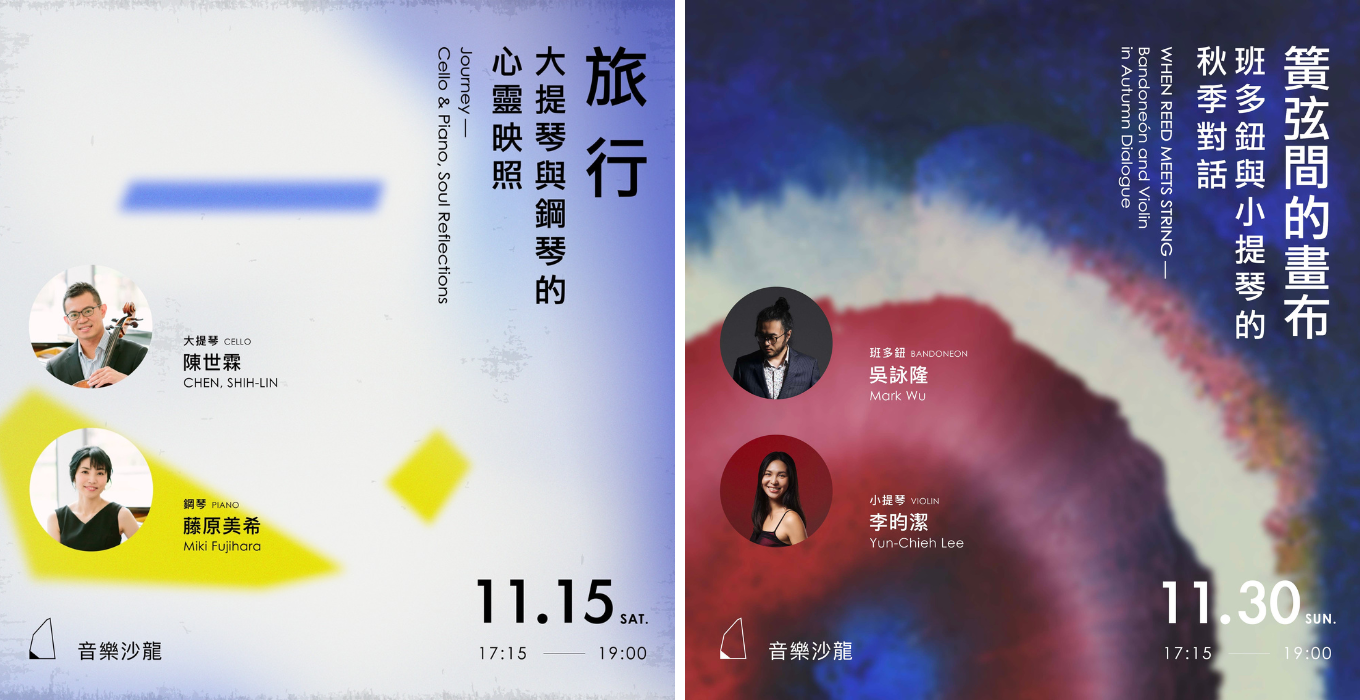
In November, the Paul Chiang Art Center hosted two music salons. Cellist Shih-Lin Chen and his wife, pianist Miki Fujiwara, curated a concert themed around “Travel.” They guided the audience through a journey of departure, wandering, and returning to the heart’s original place. “Travel may seem like going far,” Chen said during his introduction, “but what we truly arrive at is a deeper part of ourselves.”
Bandoneon player Yung-Lung Wu and violinist Yun-Chieh Lee presented music inspired by “the shifting of light.” From the quiet bloom of dawn, to the richness and heat of daylight, and finally the gentle release of night, the interplay of light and shadow in their melodies echoed the imagery of In the Garden of Light. “Paul Chiang uses his brush to reveal the colors and emotions he sees, and we use musical notes to express the fleeting moments of light we feel,” Wu shared with heartfelt emotion.
The Paul Chiang Art Center remains committed to arranging monthly music programs, offering a space where audiences can explore the inner stirrings awakened between music and painting. As Chen expressed, “Chiang’s paintings are not about ‘illuminating the world,’ but about reminding us that the light is already within each of us.” Here, visitors can not only see and hear art, they can continually feel the warmth and inspiration that art brings.
Concert highlights
|
|
|
|
Junyi School of Innovation:
Understanding Science Through Theater – Junyi’s Cross-Disciplinary Learning in Action
|
|
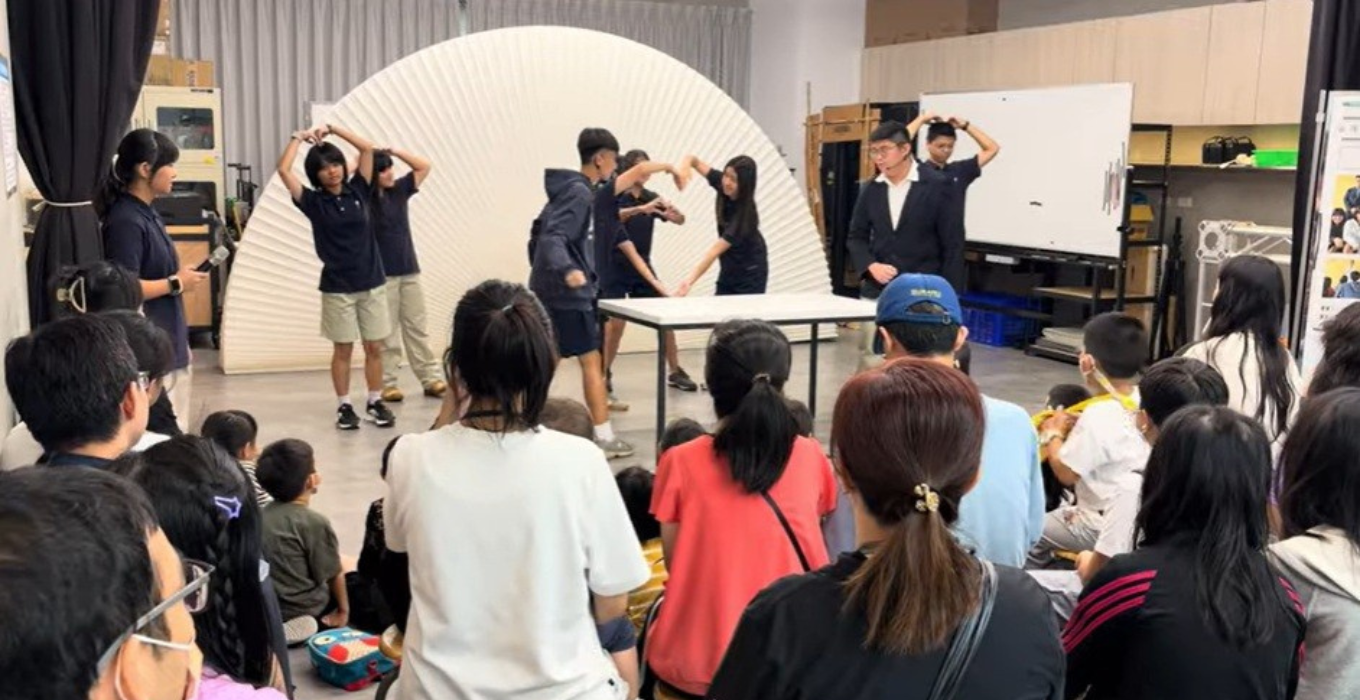
In recent years, the National Taiwan Science Education Center has been promoting non-formal science education, allowing students to understand scientific concepts through real-world contexts. On the morning of November 16, 8th-grade students from Junyi, under the direction of Teacher Yen-Ting Wu, scientific demonstrations by Teacher Renchong Tang, and the guidance of Teacher Pei-Chih Lan, were invited to the center to perform, part of the 2025 6th Taiwan Science Festival.
The student-written, directed, and performed production, Equal Forces, Equal Hearts: When Love Begins to Act, presents Newton’s Third Law through drama. The story begins when the protagonist, George, accidentally travels back to the 17th century and encounters Newton. United by their passion for science, the two form a bond. However, faced with the era’s taboo against same-sex affection and the involvement of Newton’s fiancée, Anne, George ultimately returns to the present. Inspired by their encounter, Newton organizes the ideas that later become the three famous laws of motion.
A stage sequence involving slapping each other’s cheeks vividly illustrates the concept of action and reaction — the greater the force applied, the more pronounced the reaction. This design translates an abstract physics principle into an everyday gesture, demonstrating cross-disciplinary integration and capturing the spirit of Junyi’s self-directed learning.
Through this performance, students engaged with science in a completely new way, deepening their understanding through creativity and collaboration – science, they discovered, lives not only in textbooks, but also in stories, on stage, and within the details of everyday life.
|
|
|
|
Junyi School of Innovation:
Learning Through Daily Life – Reimagining Table Culture in Waldorf Education
|
|
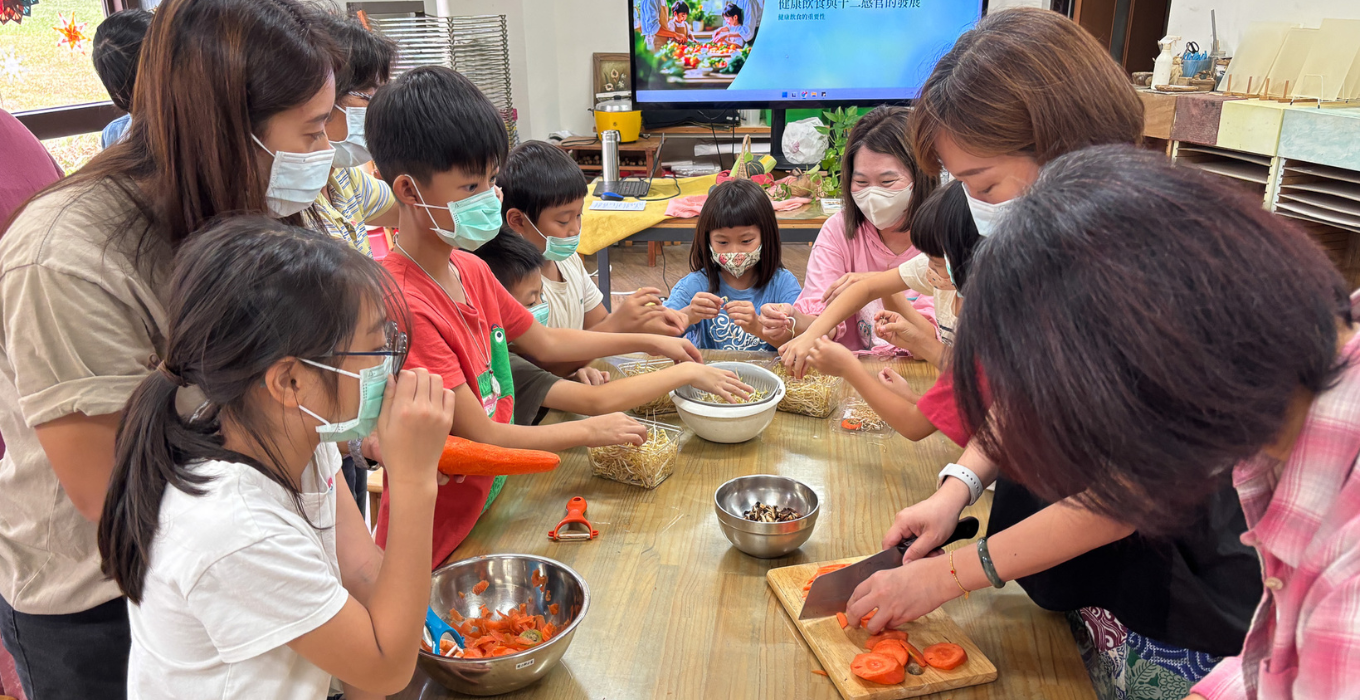
In the Waldorf education perspective, learning does not live only in textbooks — it is woven into every action and choice in daily life. This semester, the Waldorf education enrichment course for the elementary division, How Food Shapes Us, invited parents and children to rediscover table culture and the role of sensory development.
Parents began by recalling the most joyful meal they had ever experienced, expressing the emotions through color. They then moved into hands-on activities selecting vegetables, cooking, seasoning, and creating a welcoming table atmosphere. Children and parents chopped carrots, peeled corn, picked bean sprouts, stir-fried vegetables, cooked soup, and set the table together. When children who were usually picky eaters began eagerly eating green peppers and carrots, the parents were pleasantly surprised.
“I thought the course would teach us how to cook healthier meals, but what I learned instead was how to shape table culture. From choosing ingredients to creating the dining atmosphere, every decision requires awareness.” Through food education, the school helps parents see that the dining table is not just where meals happen — it is a space for sensory development, emotional connection, and daily companionship.
|
|
|
|
|
|
|
|
|
|
|
|
|
|
|
|
|
|