Music as Courage: The 2026 Taiwan Connection Festival — "At the Pinnacle"
The 2026 Taiwan Connection (TC) Music Festival, opens with "At the Pinnacle," featuring monumental works by Dvořák and Brahms, composed when both were at the peak of their artistic careers.
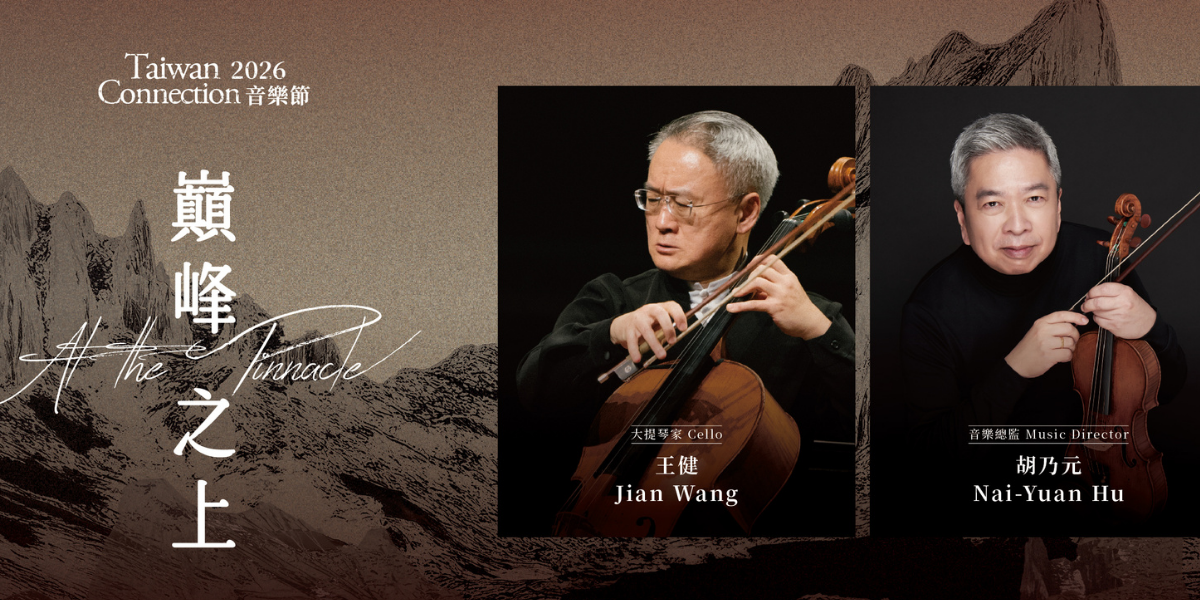
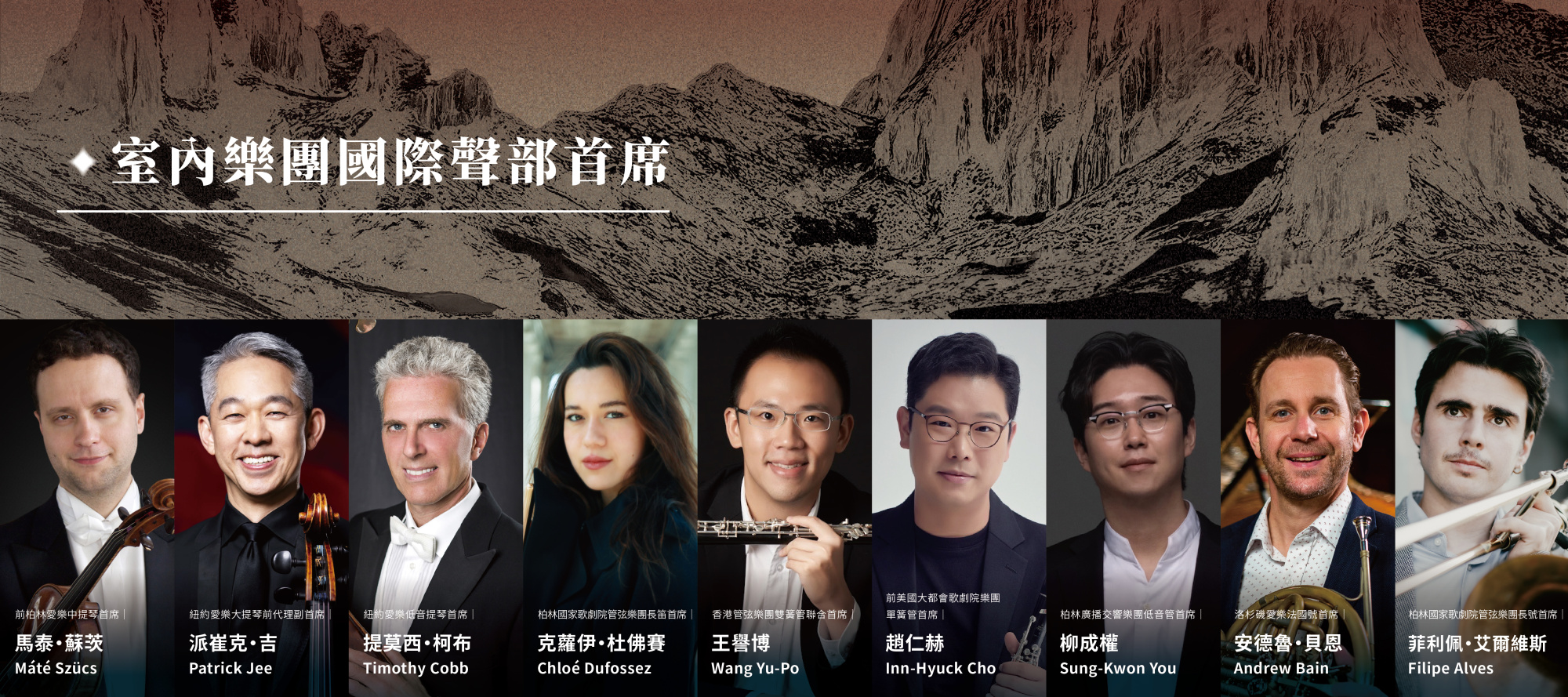
Music Director and violinist, Nai-Yuan Hu will lead the TC Chamber Orchestra in Dvořák's Cello Concerto in B minor with world-renowned cellist Jian Wang, and Brahms's Symphony No. 4 in E minor. This year's festival also brings together nine international guest principals from major orchestras around the world, making the lineup one of the most distinguished in TC's history.
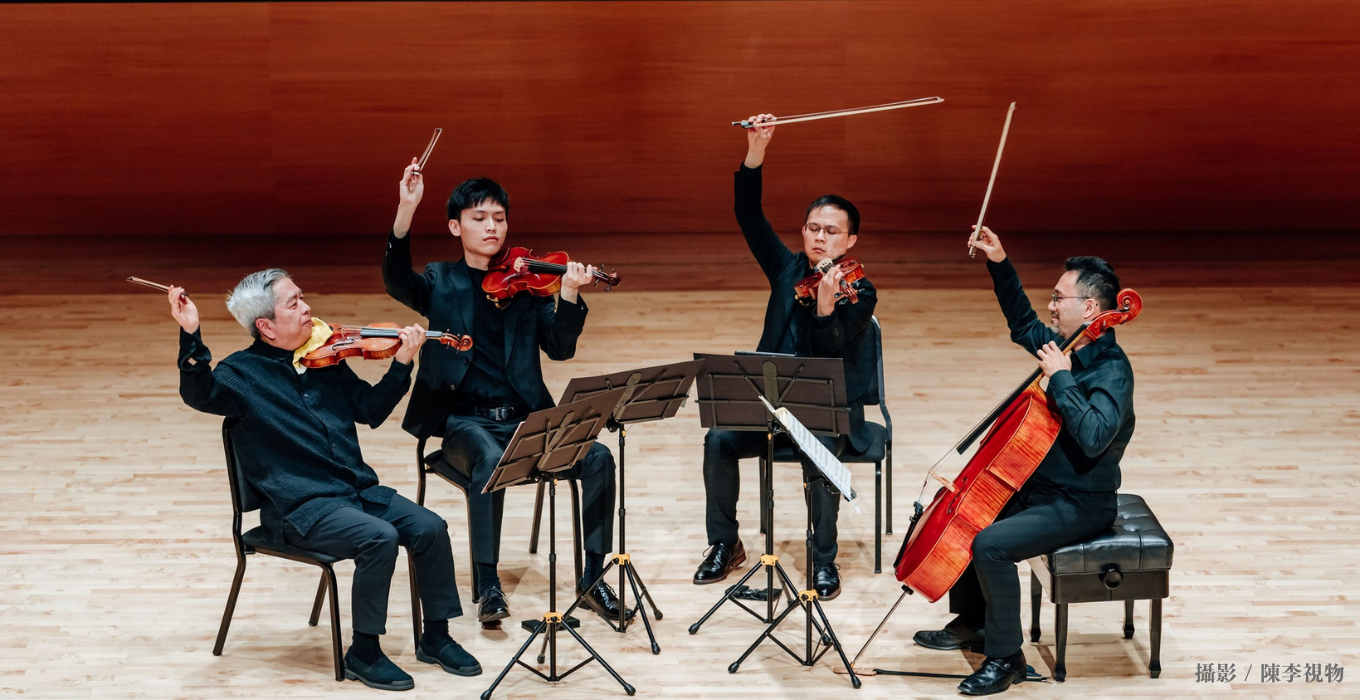
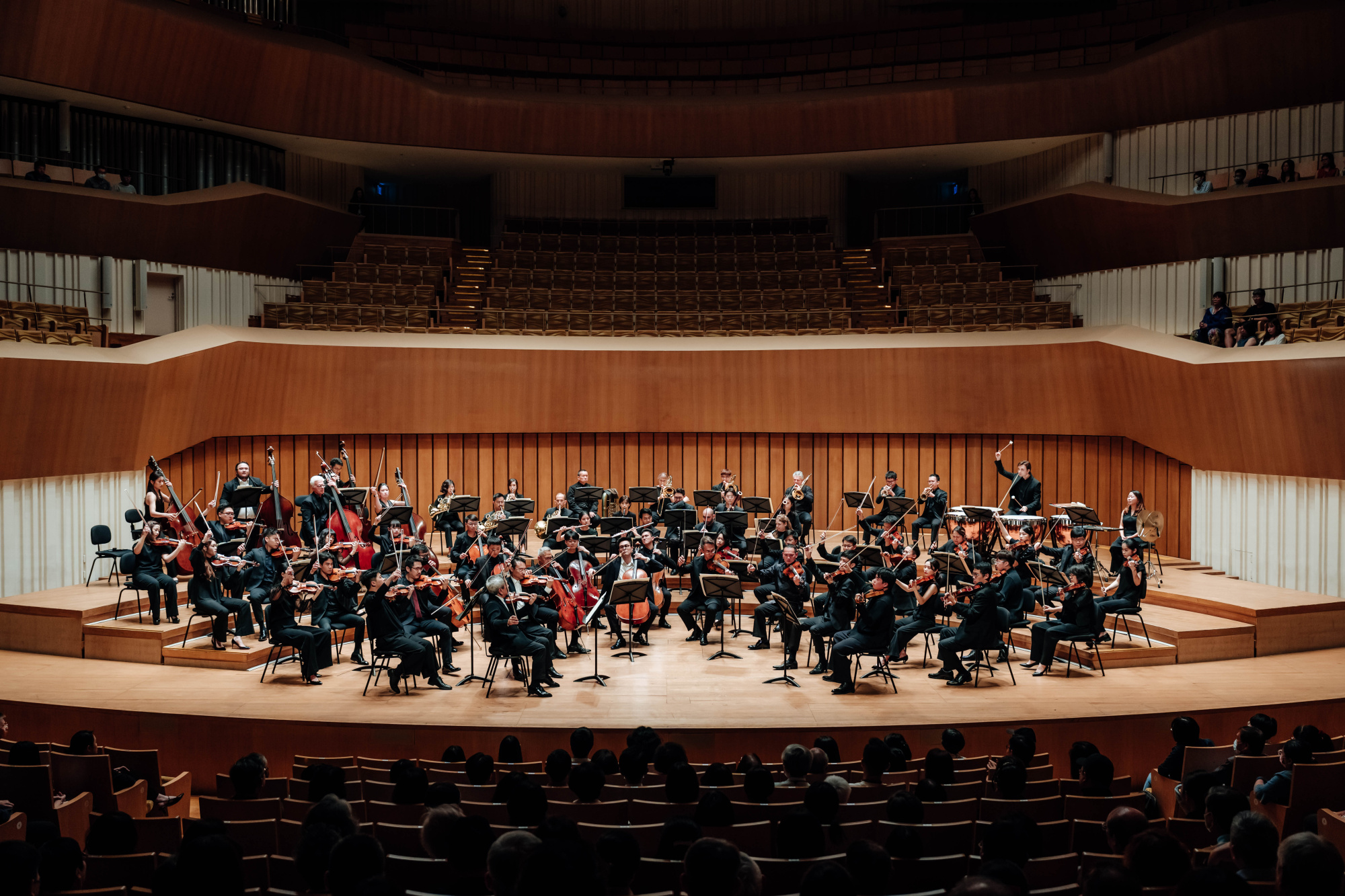
One of TC Chamber Orchestra’s defining features is that it performs without a conductor — every musician is expected to listen, respond, and make music in a cohesive way. Nai-Yuan Hu spends months studying scores and annotating each musician's part before rehearsals begin. This year's Dvořák presents a particular challenge: the soloist faces the audience and cannot make eye contact with the orchestra, so Hu must be prepared to act as the communicative bridge — a function usually served by a conductor.
Brahms's Fourth: An Elegy for a Crumbling World
Brahms completed his Symphony No. 4 in 1885 — his final symphony, and by many accounts his most uncompromising. American biographer and composer Jan Swafford called it the darkest and most tightly constructed symphonic work Brahms ever published. The symphony opens with a series of falling intervals that Hu likens to repeated sighs. A luminous second movement gives way to a boisterous third, before the fourth movement delivers what feels like an inevitable reckoning — a flute solo crying out above fate, woodwinds and strings entwining, until the trombones enter with an almost spiritual weight.
Conductor Felix Weingartner once wrote that the symphony evokes "the impression of an inexorable fate implacably driving some great creation, whether of an individual or a whole race, toward its downfall…. [The finale is] a veritable orgy of destruction, a terrible counterpart to the paroxysm of joy at the end of Beethoven's last symphony."
The historical context is striking. Brahms was living in late 19th-century Vienna as liberal politics buckled under rising populism. Anti-Semitic politician Karl Lueger was elected mayor of Vienna in 1895, sending shockwaves through the city's artistic and intellectual community. Hu draws on historian Carl E. Schorske's landmark book Fin-de-Siècle Vienna to frame Brahms's world — while being careful not to put words in the composer's mouth. "No one can speak for a composer," he says. "But we feel deeply, in this work, humanity's grief and anguish toward the world." Hu finds that this symphony touches a sympathetic chord in today’s world. "We are not living in peaceful times," Nai-Yuan Hu says. "The wars in Ukraine and the Middle East show no signs of resolution. Many countries are deeply fractured. AI is transforming everything faster than we can understand it. Climate change threatens our future." And yet, he insists, even at its most turbulent, the symphony ends with a kind of defiant resolve.
Among the nine international guest principals joining TC this year is Máté Szücs, former principal viola of the Berlin Philharmonic. Hu has long admired Szücs since his earlier tenure as principal viola of the Deutsche Kammerphilharmonie Bremen before joining the famed Berlin Philharmonic. The participation of so many great international musicians is part of what makes Hu especially eager to revisit the Brahms's Fourth — a work TC last performed in 2012 — with fresh ideas and deepened expectations.
Dvořák's Cello Concerto: A Personal Connection
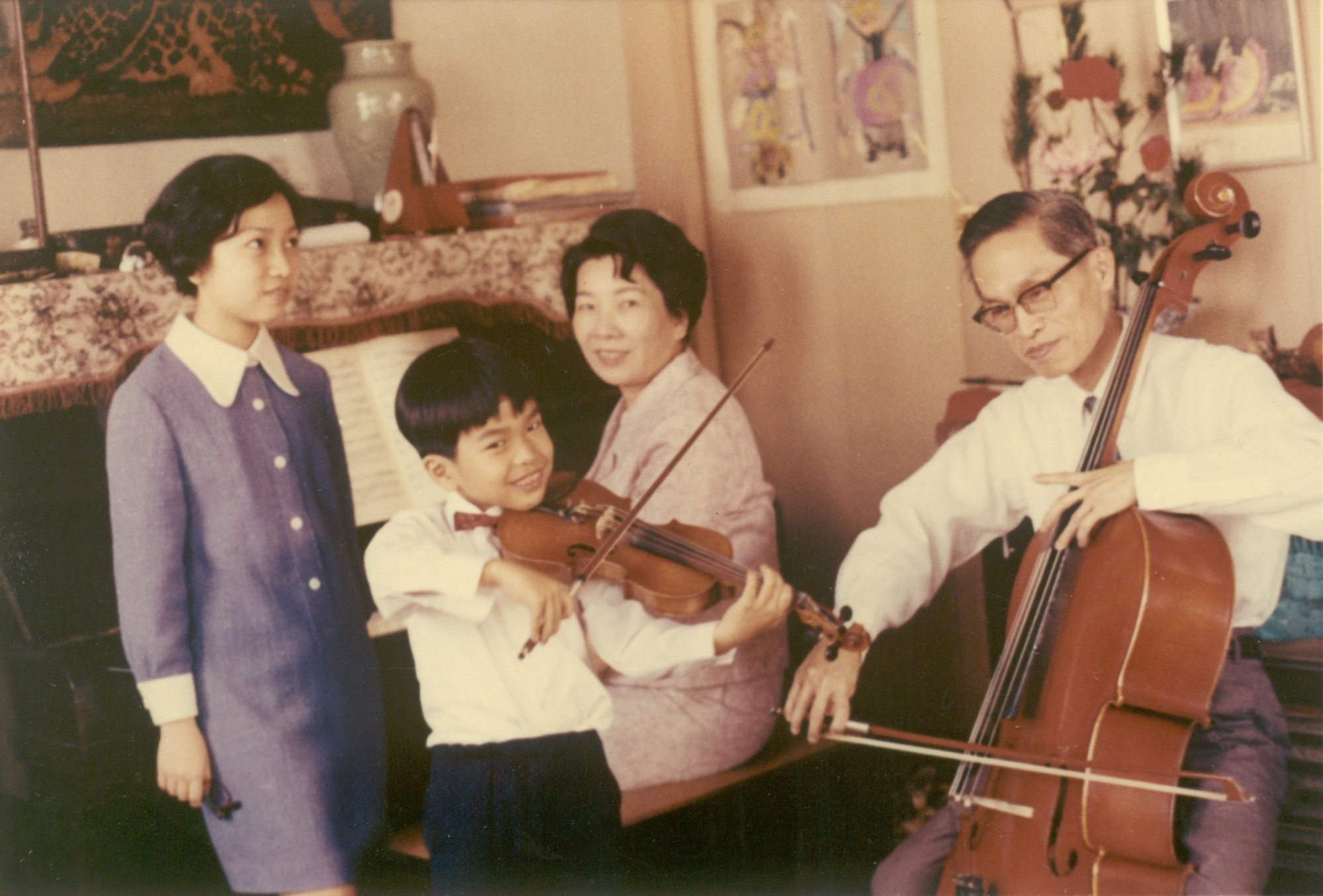
The festival's other major work, Dvořák's Cello Concerto in B minor, Op. 104, carries particular personal meaning for Nai-Yuan Hu. "My father used to play Pablo Casals’s recording of this piece on a LP player at home when I was a child. It has always been one of my favorite music." His father, Hsin-Lin Hu, a physician and gifted amateur cellist, studied medicine during the Japanese colonial era — a reminder of how deep classical music's roots run in Taiwan's cultural life. "I even dreamed of playing this cello concerto on the violin," Hu laughs.
Dvořák composed the concerto during his final year in America, where he served as Director of the National Conservatory of Music in New York from 1892 to 1895. The concerto opens with an introduction by the orchestra that is rich with thematic ideas, after which the cello enters with exhilarating freedom. The tender second movement has a poignant backstory: upon hearing that his sister-in-law Josefina Čermáková — whom he had known before marrying her younger sister Anna — was gravely ill, Dvořák wove her favorite song, Leave Me Alone, into the movement's melody. This is music of heartbreaking beauty.
Jian Wang: A Friendship of Four Decades
Performing the Dvořák concerto is Jian Wang, one of the most celebrated cellists performing today. He and Nai-Yuan Hu have been friends for over forty years, first crossing paths in the home of legendary Yale cello professor Aldo Parisot. The two later both moved to New York at the same time — "we almost ended up as roommates," Hu recalls.
Jian Wang was introduced to international audiences as a child in the 1979 Oscar-winning documentary From Mao to Mozart during Isaac Stern's historic visit to China. His subsequent studies at Yale and a performing career have made him a global figure in classical music.
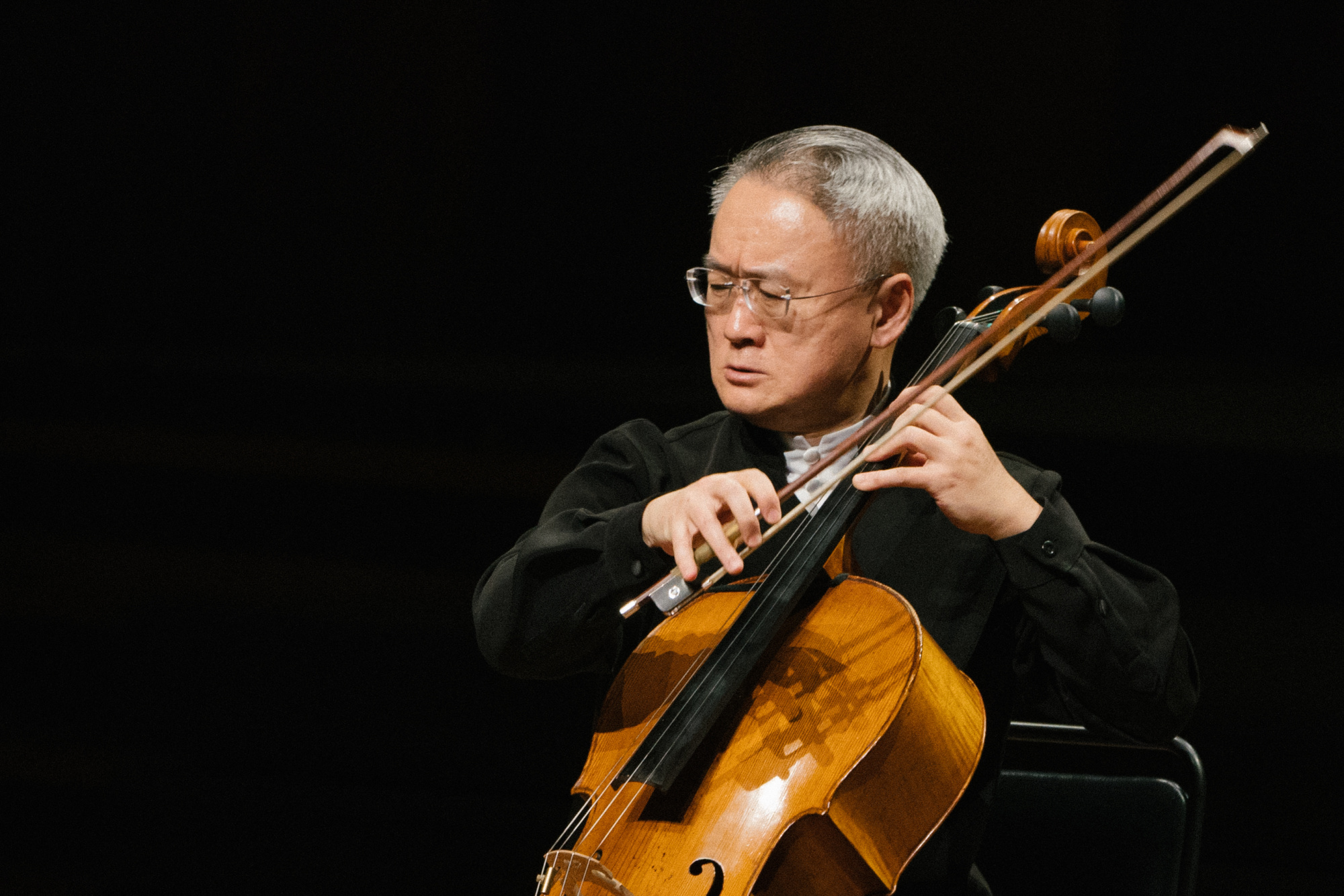
Hu notes that Wang's playing deepened considerably after he relocated to Europe. In one conversation, Wang reflected that living in European culture taught him the meaning of vulnerability. "That's why his music has become richer with greater emotional depth," Hu says.
A Festival Built on Collaboration and Commitment
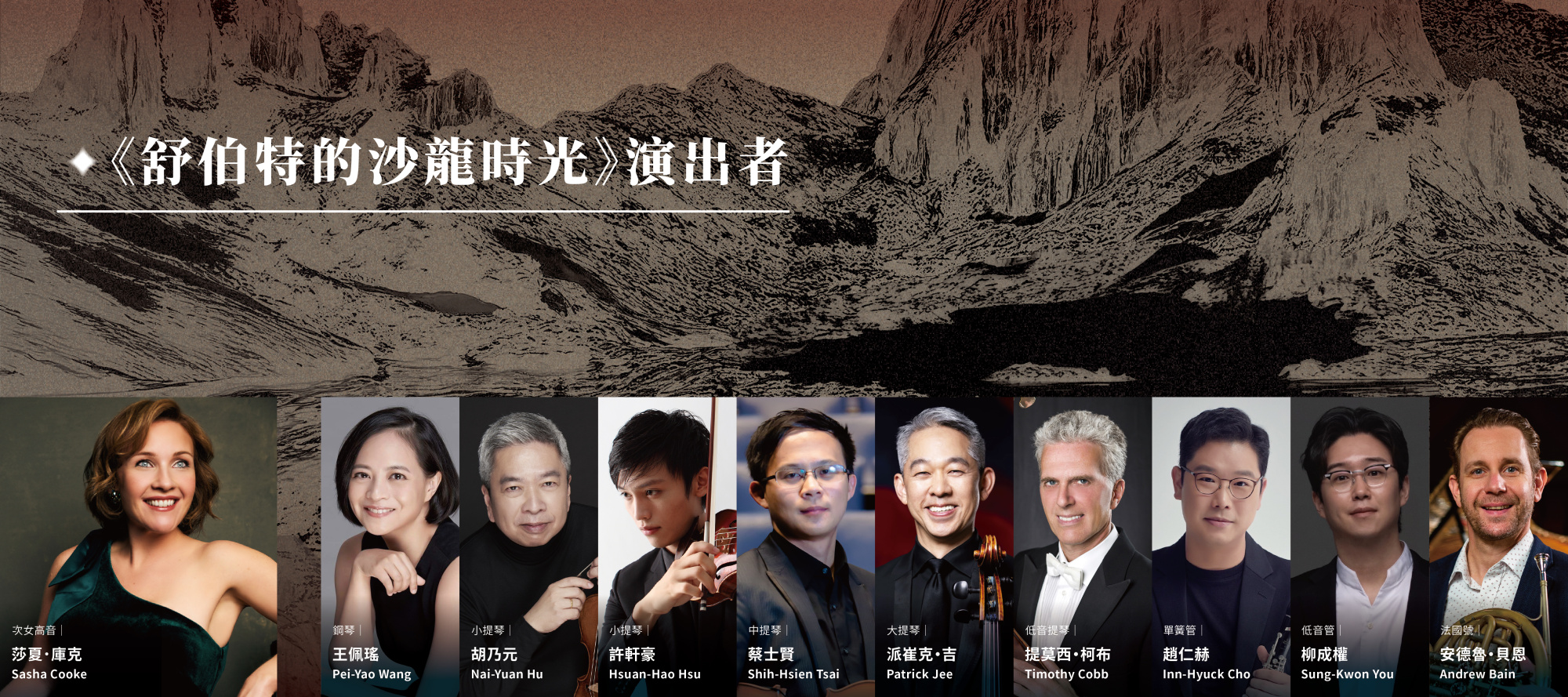
This year's chamber music concert program, Schubertiade, features acclaimed American mezzo-soprano Sasha Cooke performing Schubert lieder, and in the second half Schubert Octet in F major. Cooke will be accompanied by pianist Pei-Yao Wang, who met the singer when both worked at the Metropolitan Opera in New York. In the Octet, Hu will be joined by Inn-Hyuck Cho, former principal clarinet of the Met Opera Orchestra; Sung-Kwon You, principal bassoon of the Berlin Radio Symphony Orchestra; Andrew Bain, principal horn of the LA Philharmonic; cellist Patrick Jee and bassist Tim Cobb, both of NY Philharmonic; and two young Taiwanese, violinist Hsuan-Hao Hsu and violist Shih-Hsien Tsai.
The 2026 Taiwan Connection Music Festival takes place in late August. Full schedule and ticketing at the official TC website.