Desire to be Seen, Afraid to be Seen: The 2026 Gosh Creative Arts Camp
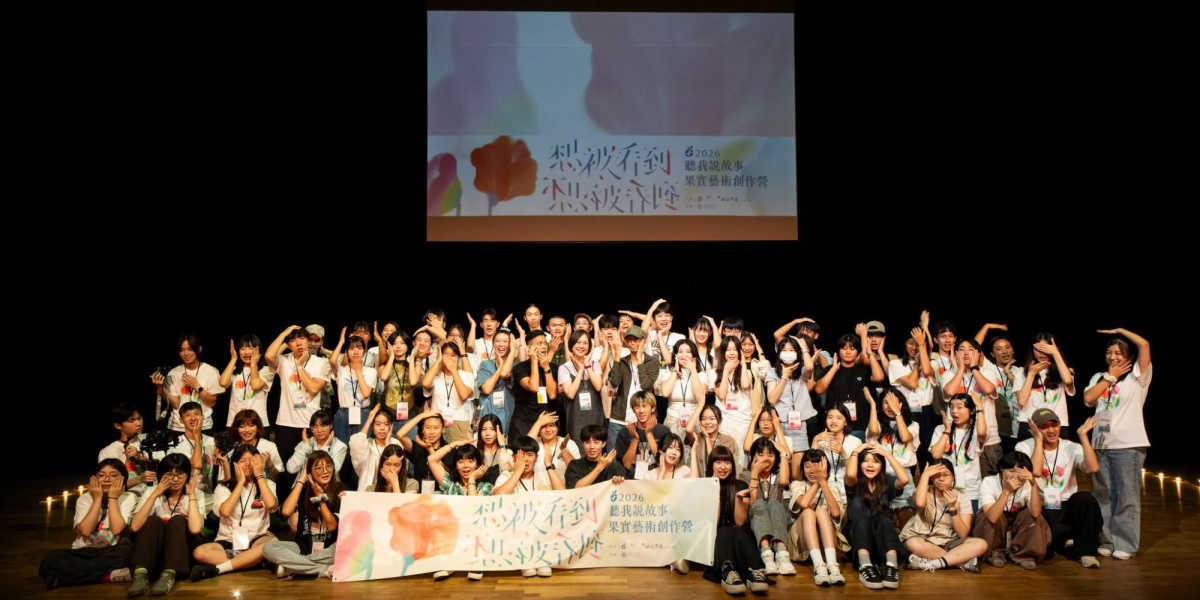
Do you long to be noticed by the world? Or are there moments when all you want to do is hide away?
In the summer of 2026, the Gosh Foundation, founded by acclaimed film director Sylvia Chang, partnered with the Alliance Cultural Foundation (ACF) to host the annual "Listen to My Story — Gosh Creative Arts Camp" at Junyi School of Innovation in Taitung, Taiwan.
Nestled between expansive mountains and the Pacific Ocean, Taitung provided a serene sanctuary far removed from the hyper-competitive pace of urban life. Over eight days and seven nights, teenage participants embarked on an immersive journey of self-discovery through movement, theater, and multi-disciplinary artistic expression.
This year’s core theme—"Desire to Be Seen, Afraid to Be Seen"—offered a poignant reflection on the psychological paradox facing today's youth: a deep craving for recognition intertwined with an overwhelming fear of exposure.
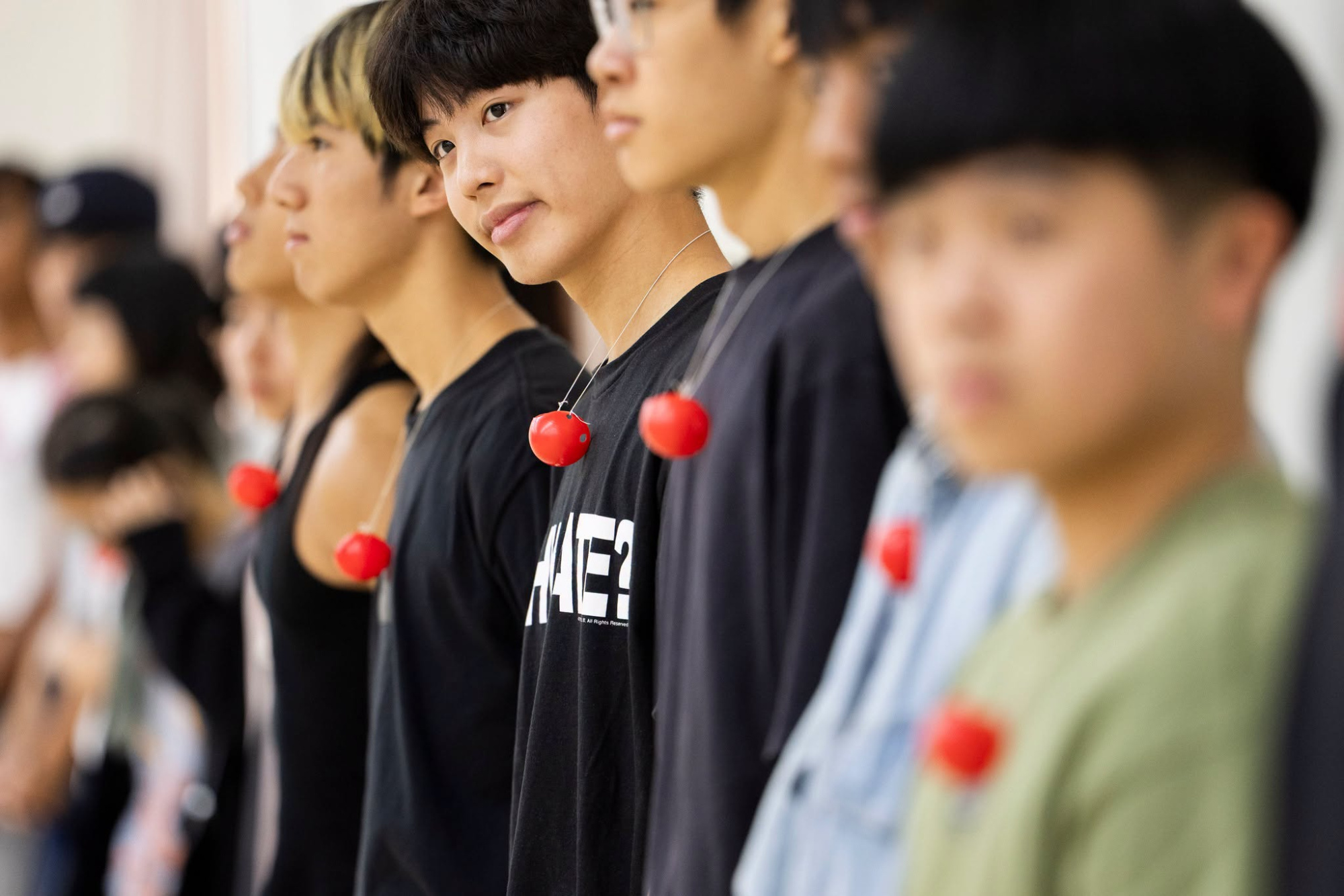
The Youth Paradox: Craving Recognition, Fearing Vulnerability
In today’s digital era, hyper-connectivity, social media metrics, and unrelenting academic competition demand that young people shine brightly to be deemed worthy. Yet beneath the surface lies widespread emotional exhaustion.
She recalled the Gosh Foundation’s 2025 production, The Heirs of the Butterfly Lovers: Self-Portrait. Although alumni (“Old Gosh”) returning to the stage had gained richer life experience over the years, she still noticed a subtle, lingering vulnerability in their body language.
"A teacher asked me what I saw on stage," Chang recalls. "I said I saw one student performing with urgency because they so desperately wanted to be seen. But at the same time, I saw many young people who were deeply afraid of being seen."
Youth today face an agonizing struggle: they long to express their unique individuality, yet fear that opening up will invite judgment. Constant comparisons leave many trapped in a quiet cycle of self-doubt: "Am I simply not good enough?" Without safe outlets, their deepest fears remain buried.
Creating a Safe Haven Without Masks
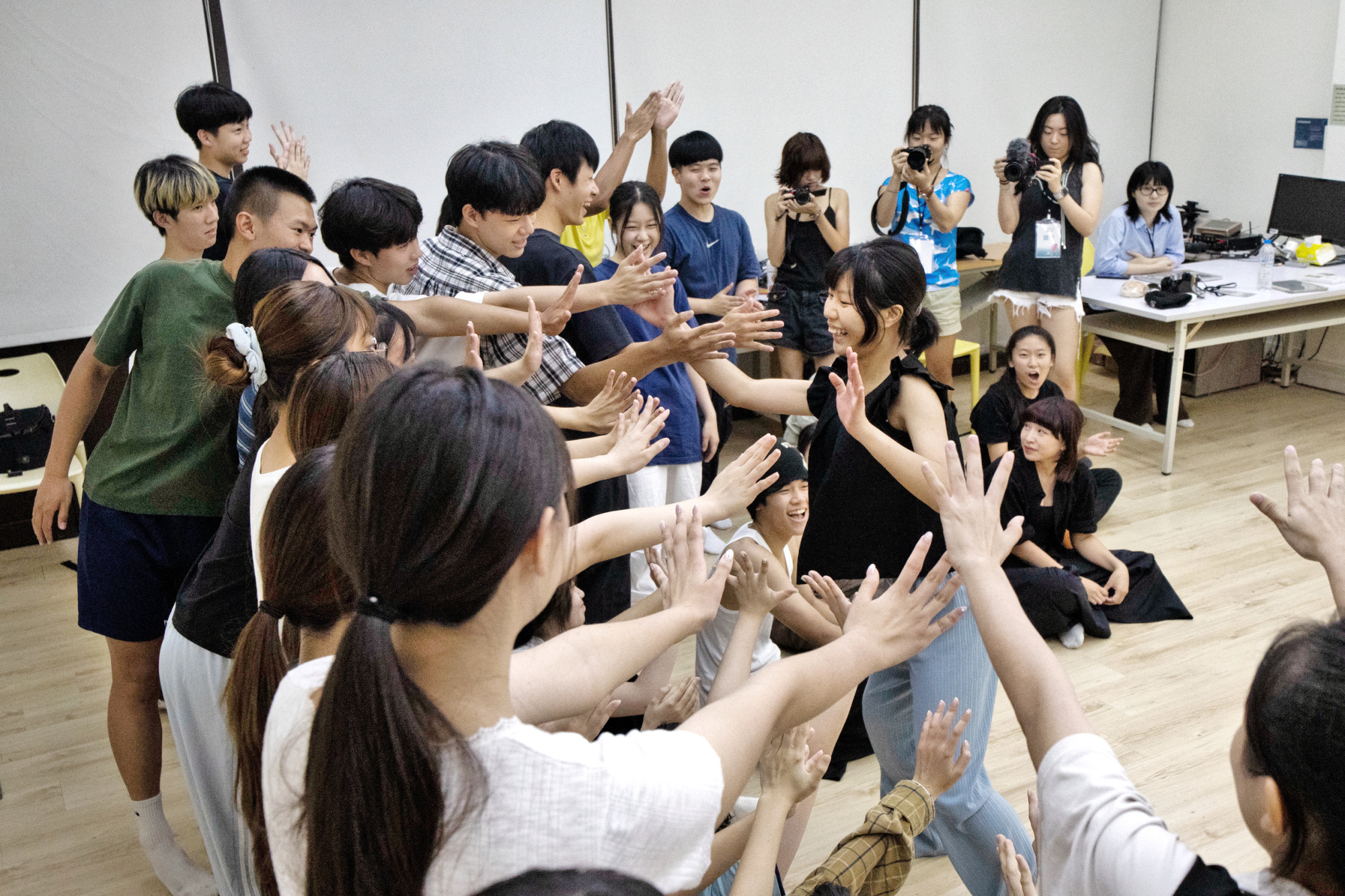
To break down these emotional defenses, the camp prioritized two foundational elements: building trust and providing psychological safety.
From day one, the mentors encouraged campers to drop their armor: "Don't fear failure. There is no 'good' or 'bad' movement—only whether your body feels ready to express it right now."
While participants initially arrived with guarded, distant attitudes, the mentors’ openness and vulnerability gradually dissolved their anxieties. Through icebreakers, trust exercises, and physical theater, campers learned that their shortcomings would be met with acceptance rather than criticism.
During a writing workshop titled "A Letter to My 10-Year-Old Self," students were asked to complete the sentence: "I will not disappoint [___]." One participant later shared how the exercise touched a raw nerve, recalling a late-night phone call with her mother where she asked if raising her was a burden. Her mother had warmly reassured her, calling her a gift. Writing "I will never disappoint my mother" brought the student to tears—allowing long-suppressed emotions to flow into artistic expression.
Experiencing Nature and Art in Taitung
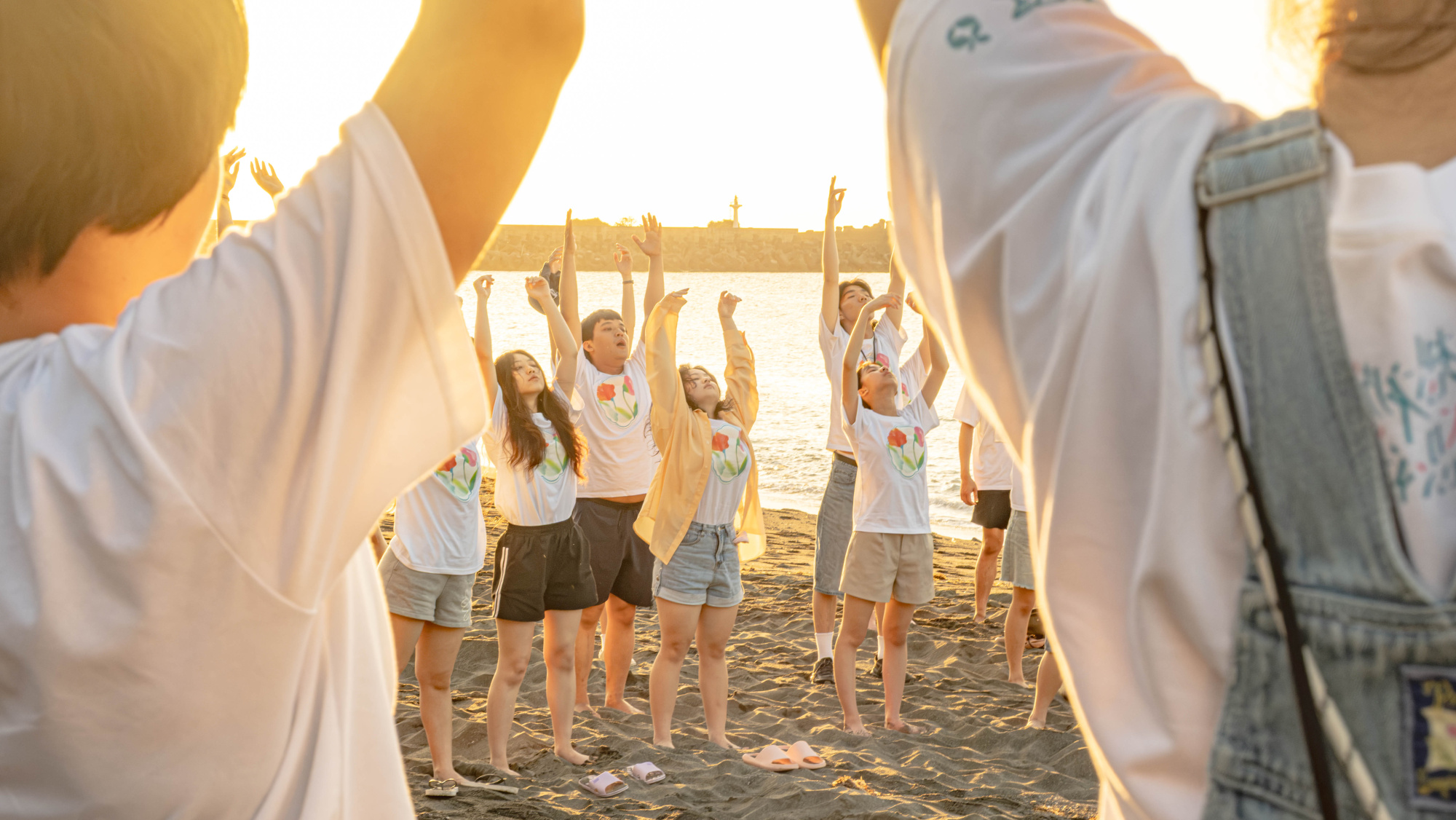
A pivotal moment of the camp occurred on the fourth day. At 3:30 AM, participants gathered barefoot on Jinzun Beach. As waves crashed against the shore in the twilight, they waited in silence until 5:20 AM, when a brilliant golden sun surged above the Pacific horizon.
The idea for the sunrise vigil came directly from Chang. In an era dominated by screens, few urban youth have the chance to stand outdoors and quietly witness the dawn. This patient waiting and shared awe served as a lasting gift from the land of Taitung.
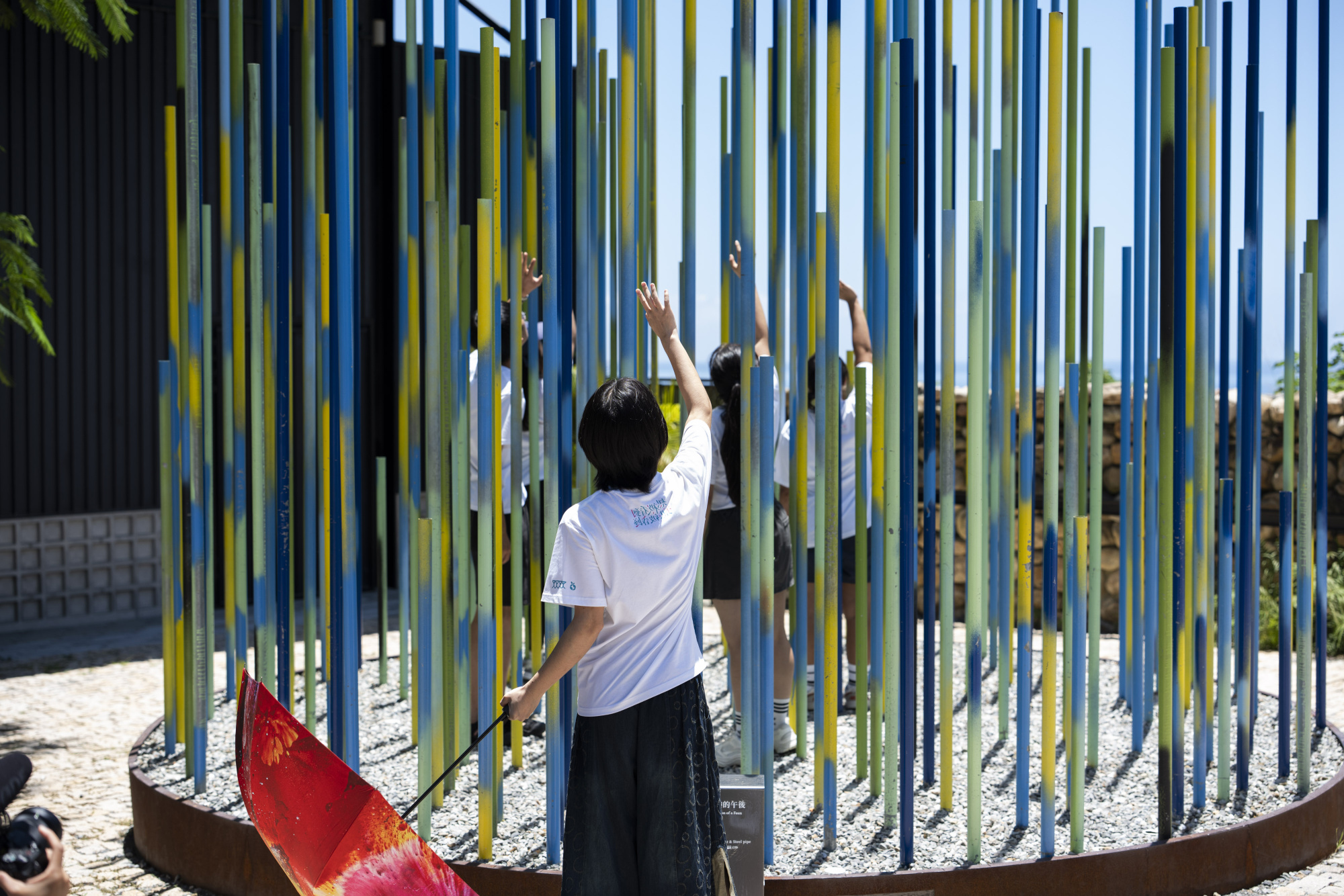
Following the sunrise, the camp visited the Paul Chiang Art Center. Set against coastal hills, the center's architecture integrates art seamlessly with nature. Divided into eight groups, participants were given 50 minutes to select an artwork and create a 3-minute site-specific performance:
- Some transformed the outdoor walkway into a stage, deliberately positioning the audience behind the floor-to-ceiling windows on either side, making them part of the scene.
- Another group responded to Paul Chiang’s painting In the Garden of Light by tapping rhythmic patterns on the gallery floor, echoing the painter's steps in his studio.
- A third group wove through the outdoor sculpture Afternoon of a Faun, echoing questions from their letters: "Who will you be ten years from now?"
Through physical theater and spatial interaction, abstract emotional queries were transformed into tangible artistic declarations under the Taitung sun.
Reconnecting with Life and Memory
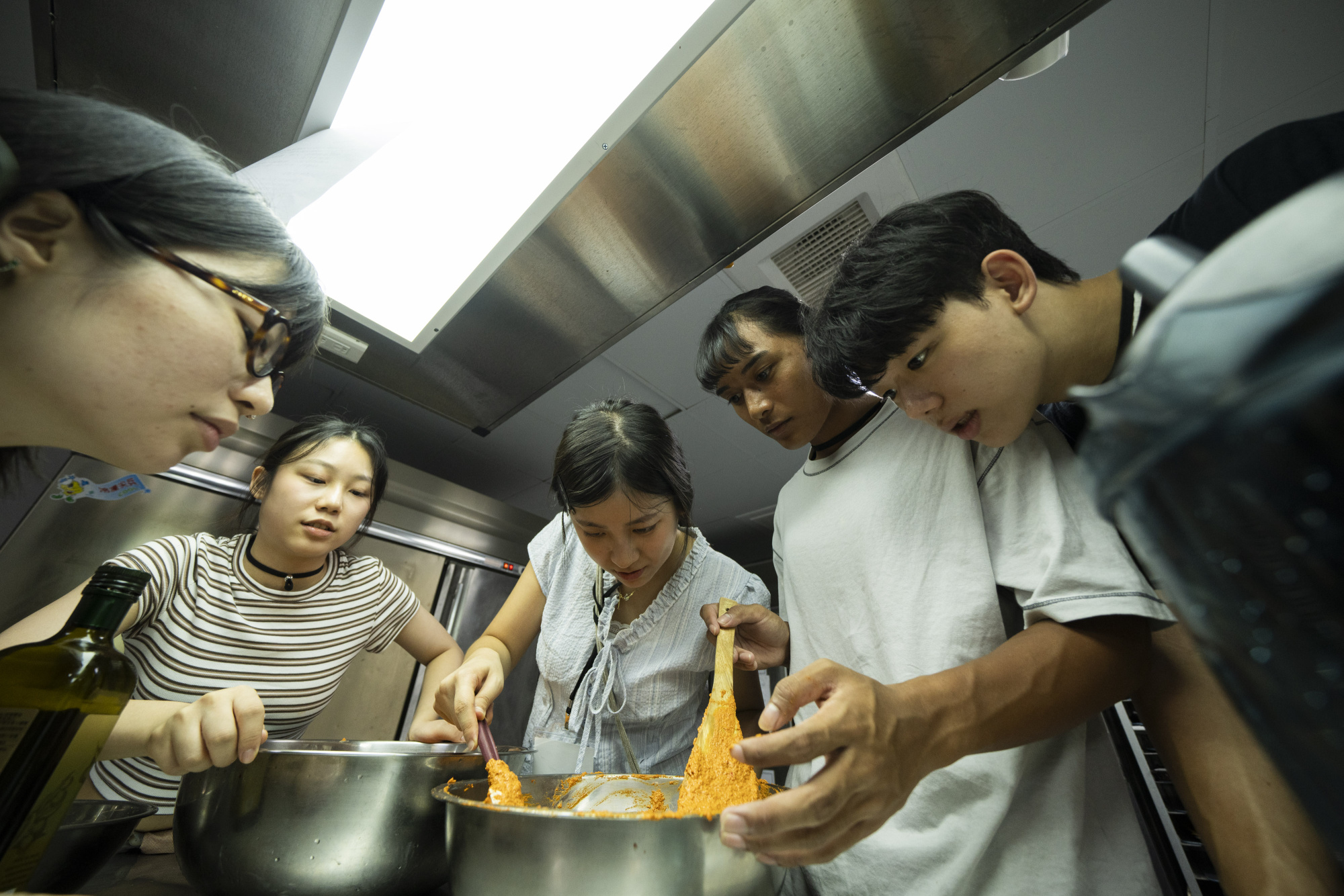
Beyond theater and movement, the camp introduced a "Table Project," where participants spent an afternoon preparing meals and styling dining settings. For Chang, cooking and hospitality are more than utility—they are acts of mutual care and mindful living. During a guest dinner, a student was asked to cut and lay a black tablecloth. Holding the fabric scissors, the student experienced a sudden flood of nostalgia:
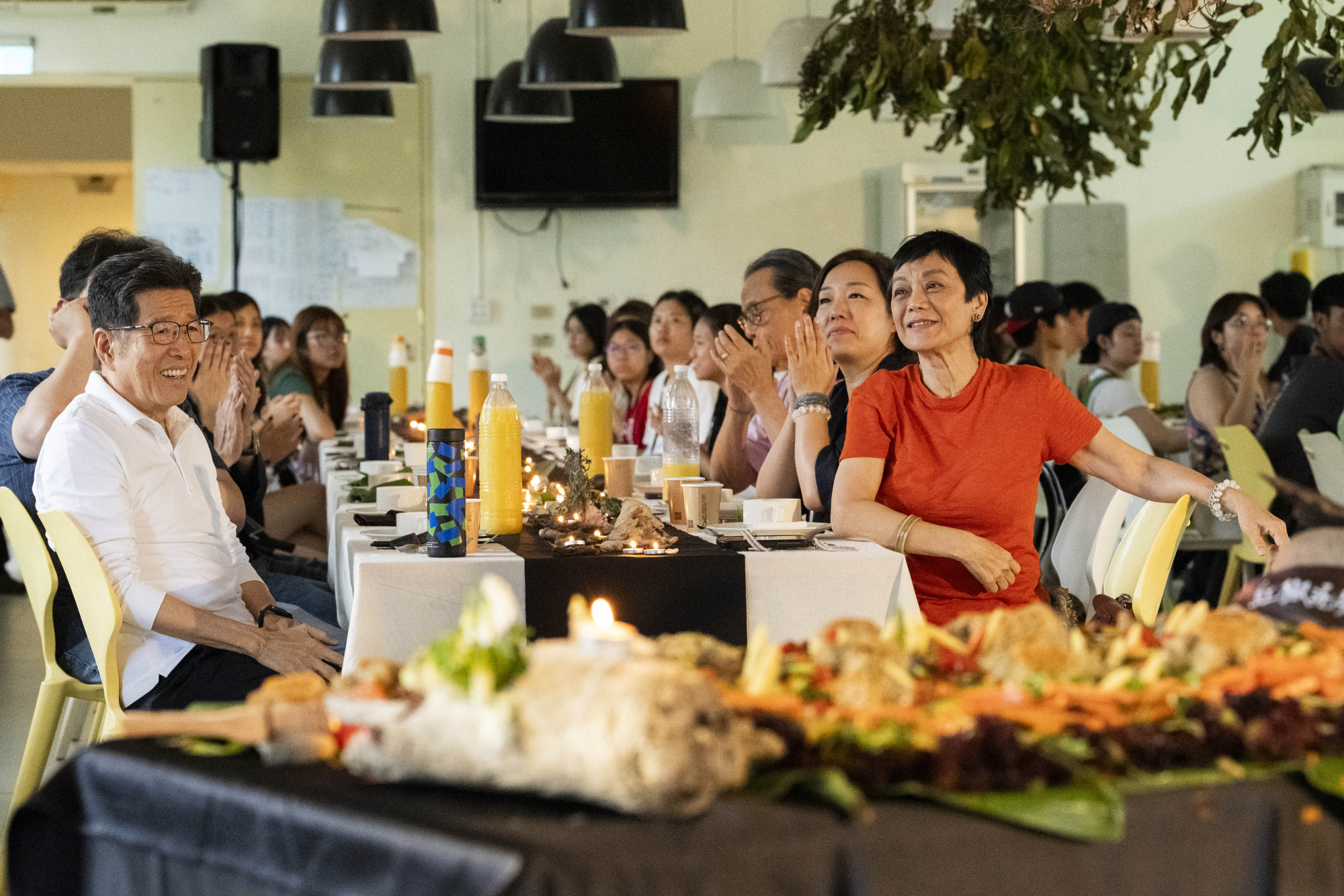
"The moment I picked up those shears, I felt like a little girl again, standing by my grandfather’s studio... The tactile feel of the black fabric brought back the exact memory of my grandfather’s textile warehouse on the first floor."
By creating space for quiet reflection, simple daily routines became bridges connecting past memories with present growth.
Embracing the Authentic Self
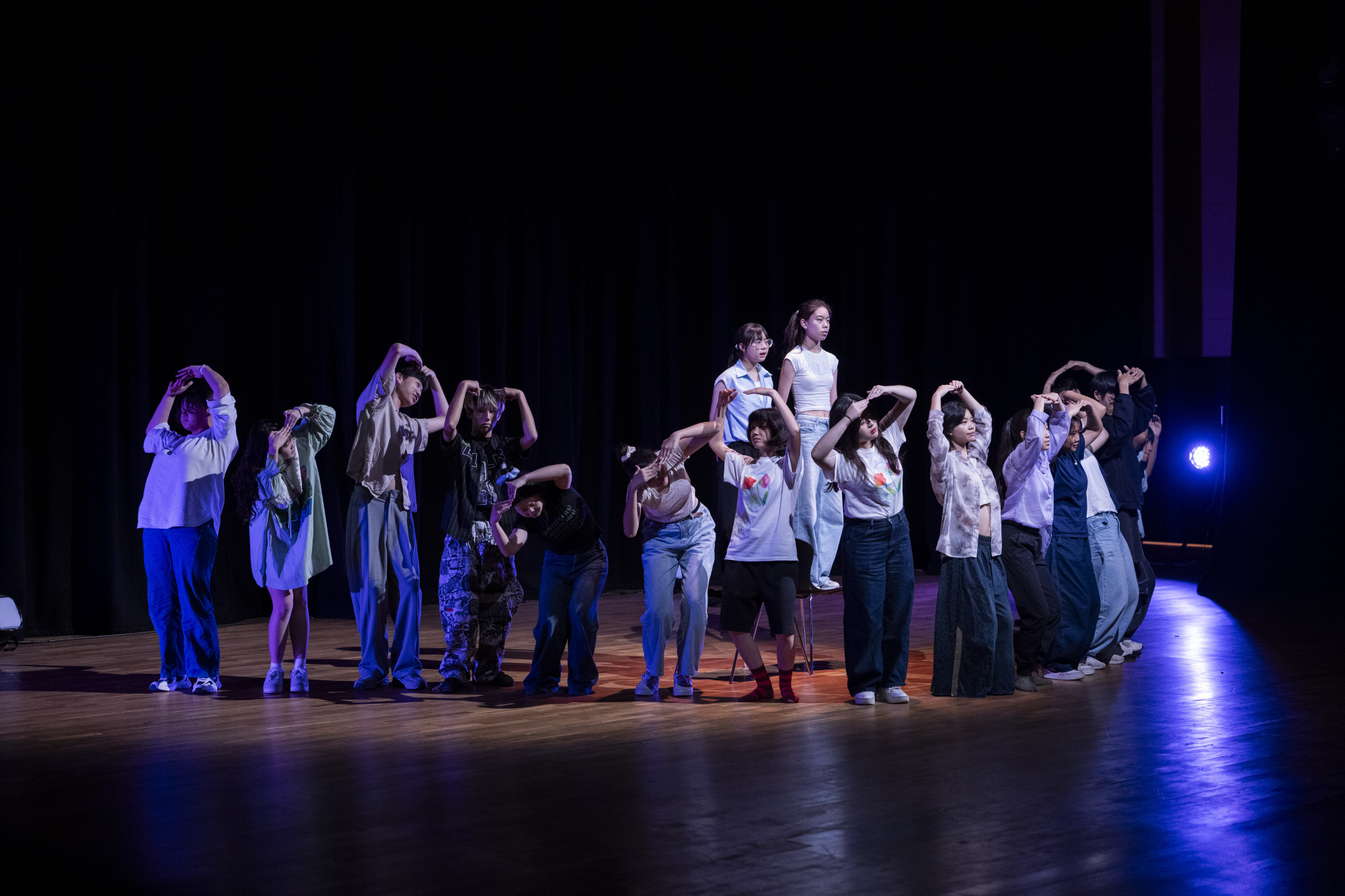
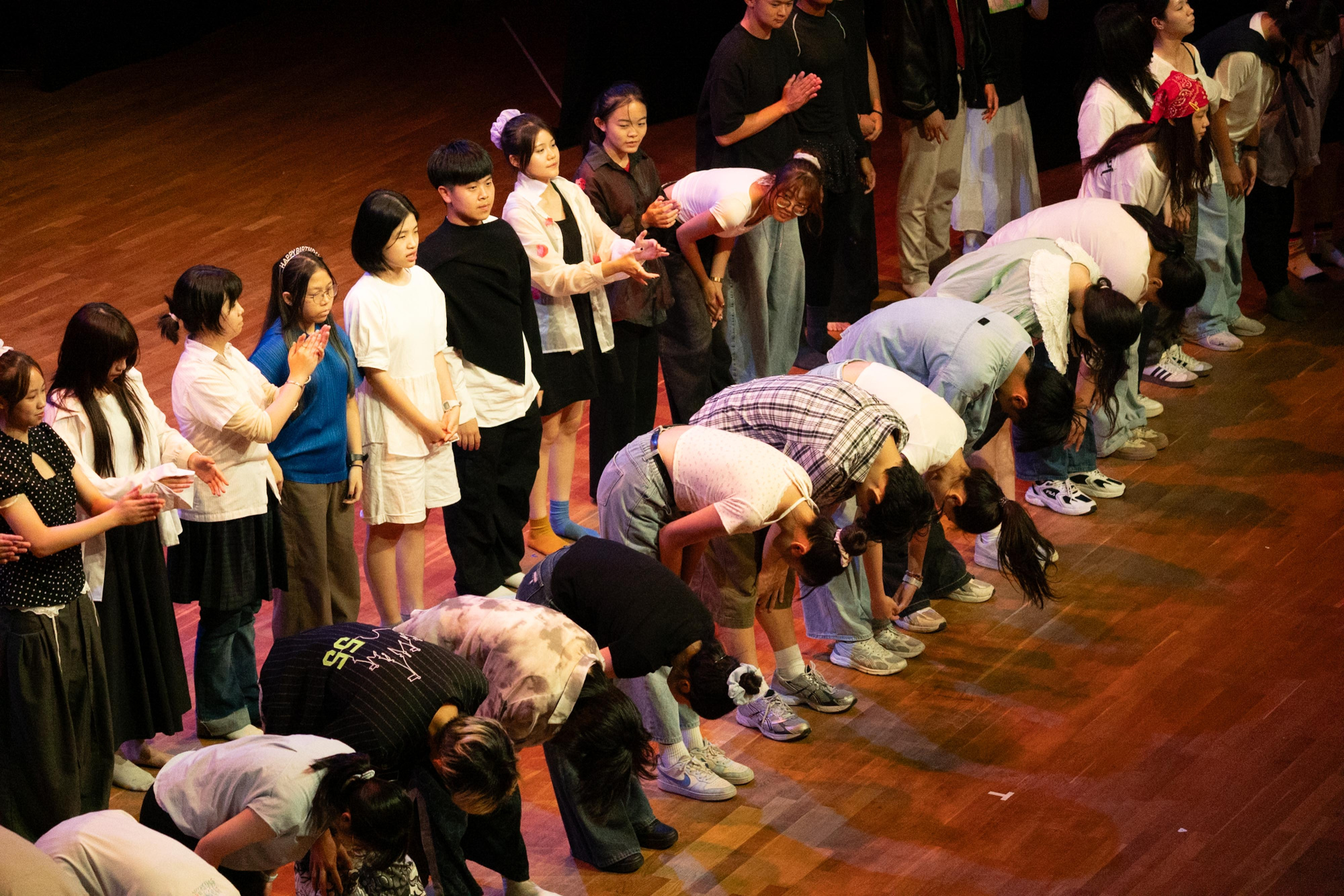
By the final presentation, the transformation was evident. The quiet hesitancy from day one had given way to uninhibited physical movement, genuine laughter, and tearful embraces. The 2026 Gosh Creative Arts Camp demonstrated that when young people are given a safe environment free from external metrics, they no longer feel forced to choose between hiding or seeking applause. Instead, they discover the courage to stand comfortably in their own skin—embracing both their light and their shadow.
Recalling the morning they watched the sunrise on the beach, Chang reminded the campers to put down their smartphones and awaken their senses to the physical world. "Once your senses are fully open," she noted, "you realize beauty was always there—not trapped inside a tiny screen."
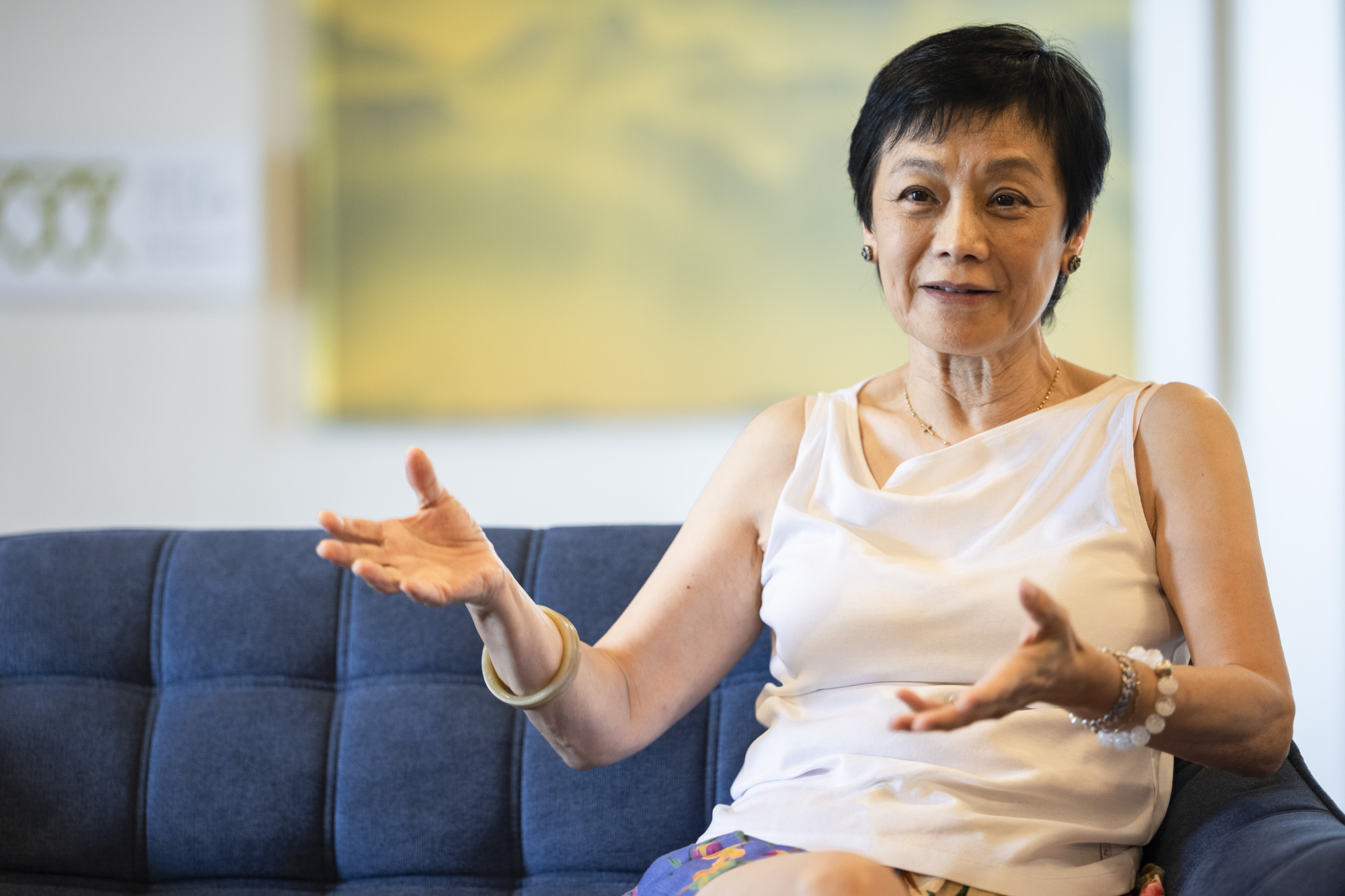
For Chang, the real danger of constant screen culture is that young people end up living inside other people's lives instead of their own. At its heart, the Gosh Creative Arts Camp aims to pull their focus back inward. When campers create with their own hands and voices, they discover the grounding pride of saying, "I created this myself"—and reclaim true ownership of their lives.